Get In Touch
hello@untangld.co
Get In Touch
hello@untangld.co
Follow
|
LinkedIn

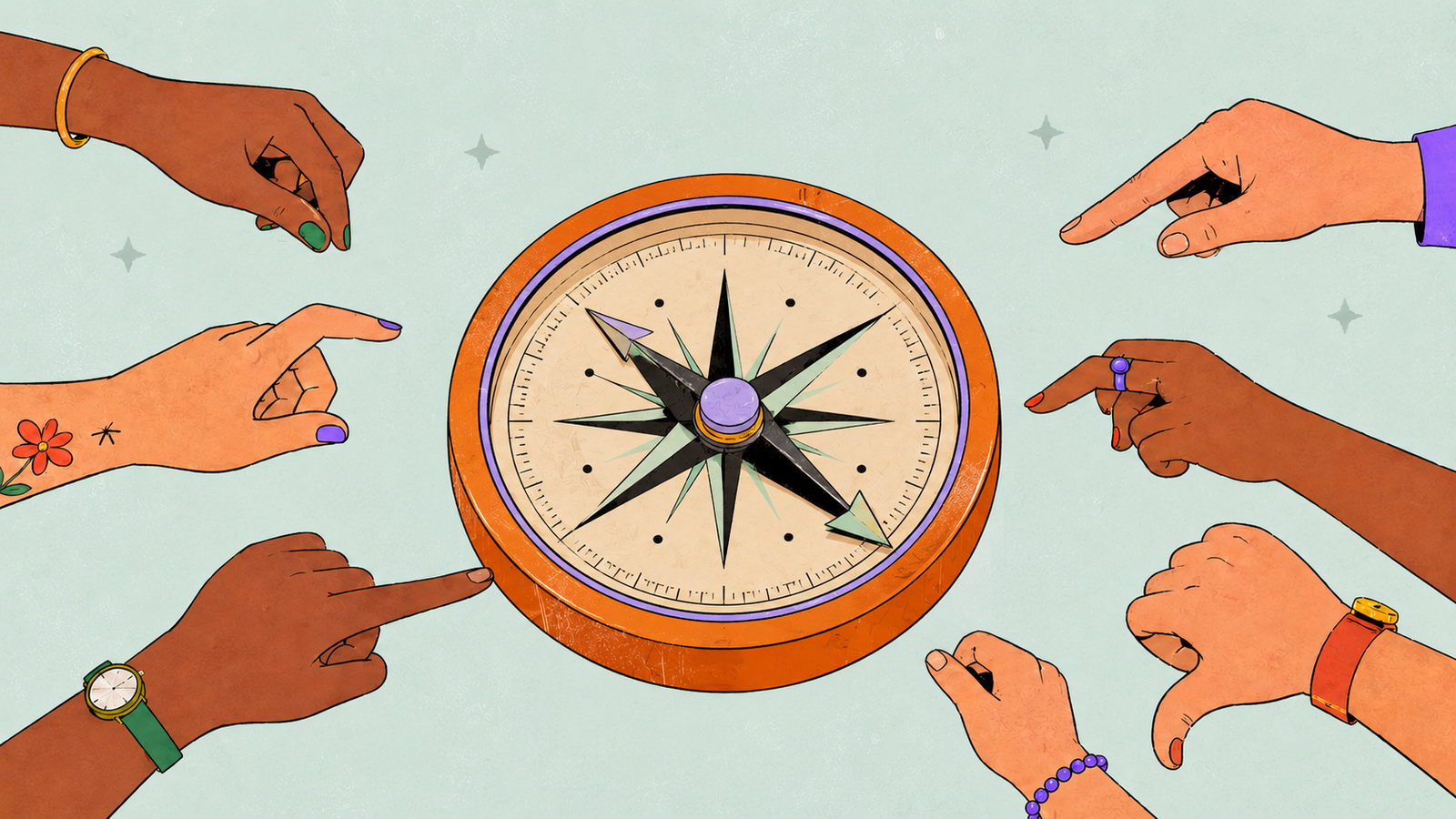
Somewhere along the way, we built the infrastructure for everything except emotion—and now, people are starting to notice its absence.
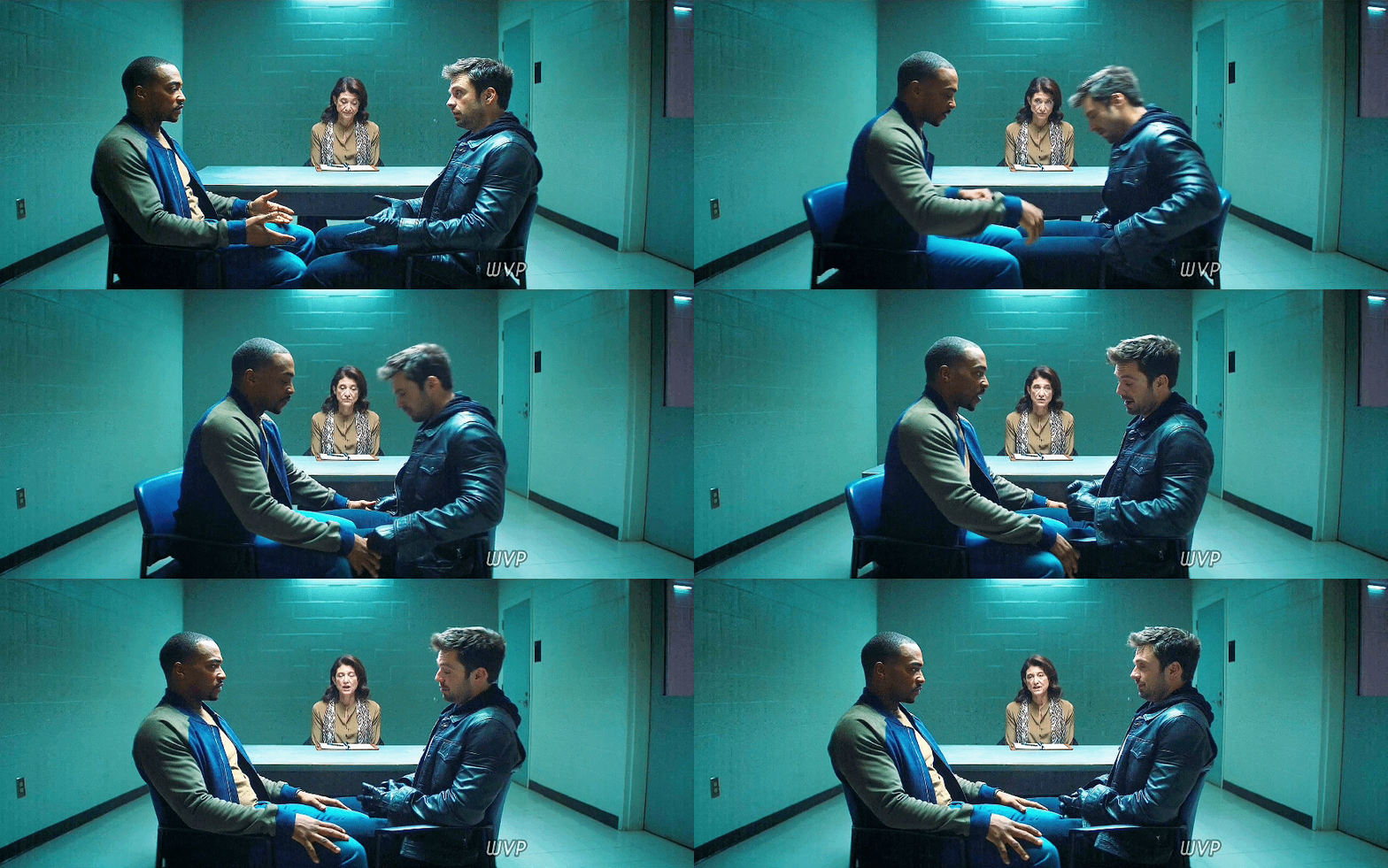
You can see it in the small things: the meetings that start with “how’s everyone really doing?”; the way brands are talking less about disruption and more about care or TikTok full of nervous system hacks. Even the shift in tech language, from “scale” to “flow”, is telling.
2026 feels like a turning point. After years of optimising for attention, the next wave is about restoring equilibrium. The companies that help people feel grounded, not just connected, will quietly define the decade ahead. We’re entering the age of emotional infrastructure—the systems that make it possible to stay human in a world that keeps accelerating.
Emotion has become strategy.
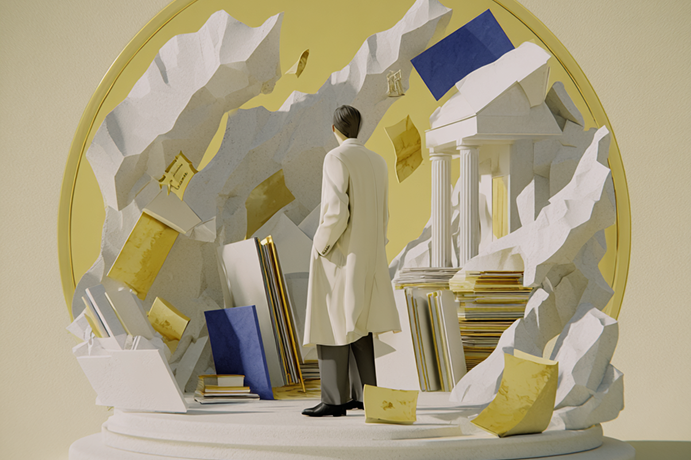
For the past twenty years, we’ve designed for what people do. Now we’re relearning how to design for how they feel while they do it. This isn’t just merely “story-telling”, it’s going to be structural. That means products that reduce cognitive load, interfaces that exhale, workplaces that understand energy as well as output. Emotional design isn’t a new discipline—it’s the rediscovery of why we built things for people in the first place.
According to the 2025 Edelman Trust Barometer, 80% of people say they trust brands they use, more than any institution besides their employer. edelman.com That shift in trust signals that emotional relevance is now a powerful lever for loyalty and influence.
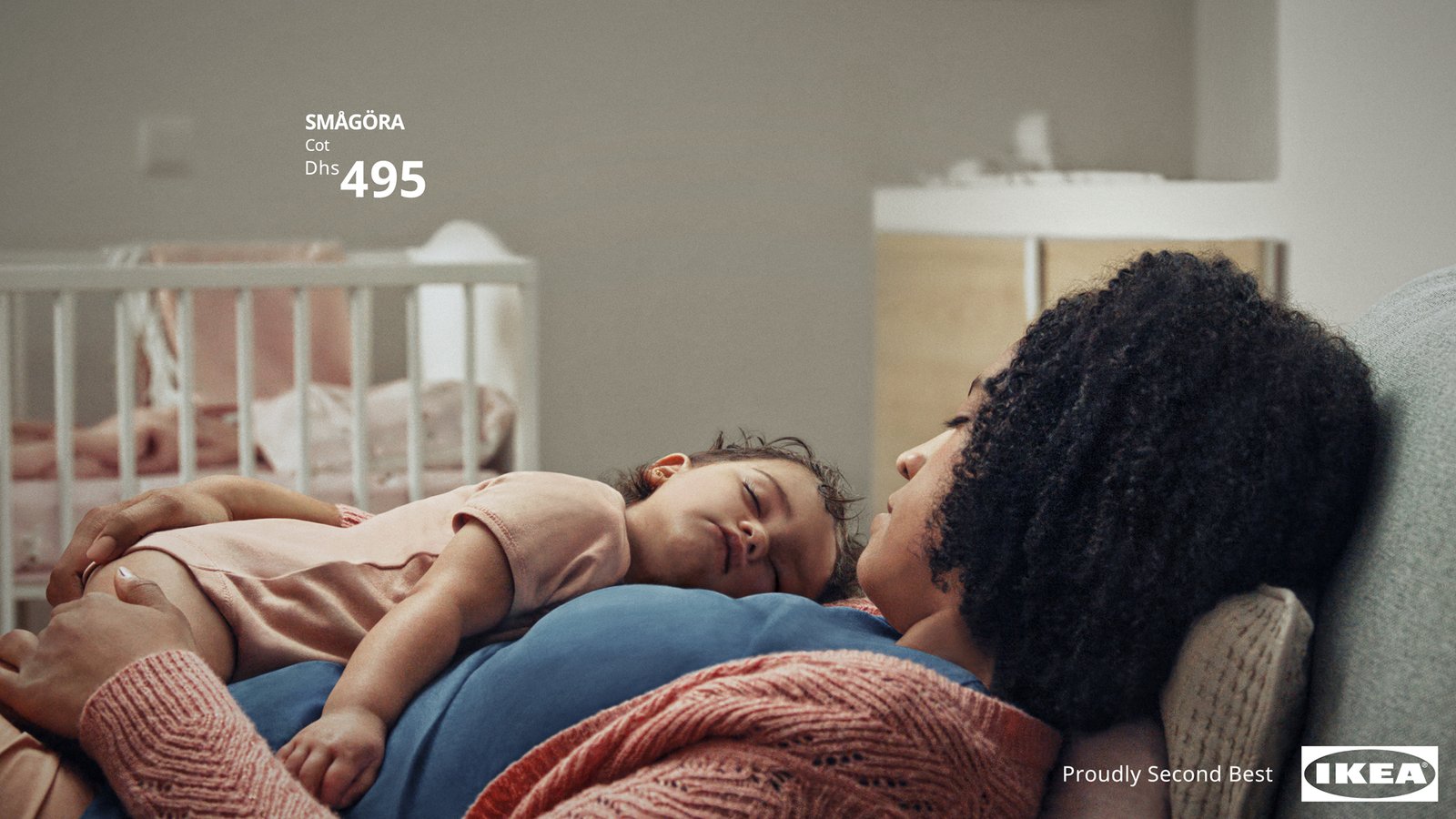
The ability to create calm, clarity and care at scale will separate the brands that last from the ones that simply shout or push you through at speed.
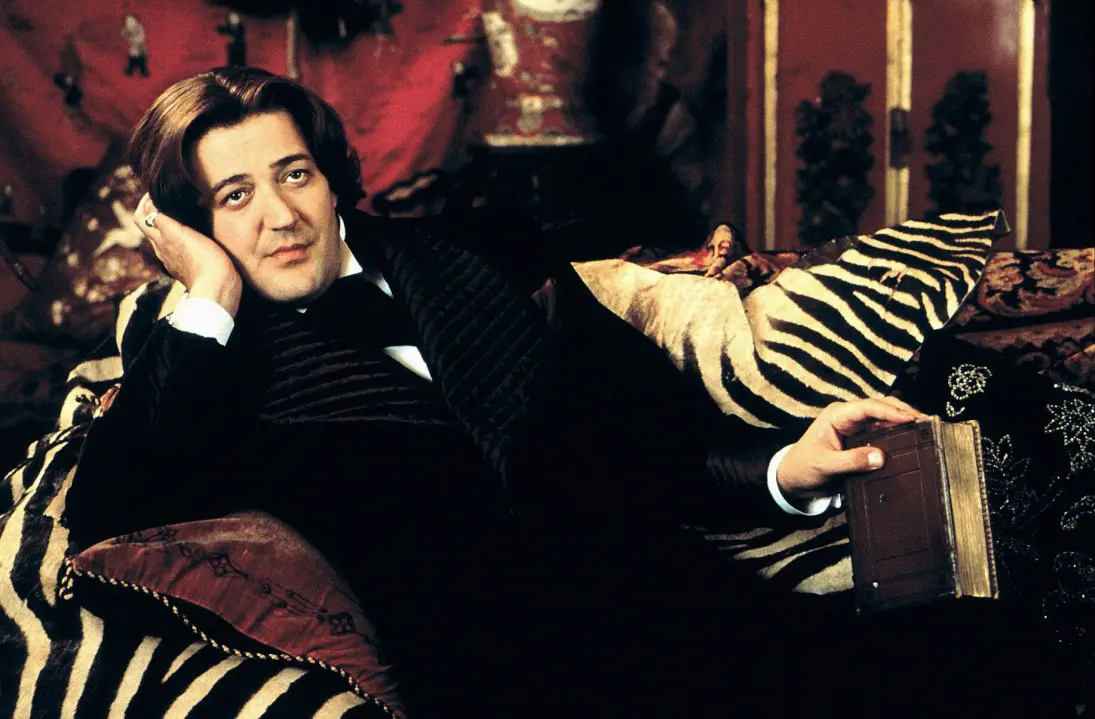
Consumers used to reward stimulation. More features, more colour, more everything. But overstimulation is out and a calm nervous system is now the new status symbol.
Innova’s 2025 report shows 36% of people now list mental and emotional wellbeing as their top health priority. And McKinsey calls wellness “the default lens for decision-making” among under-40s.
People aren’t asking, “Will this excite me?” They’re asking, “How will this regulate me?”. If it’s adding too much stress, too many inputs or too many extra actions, they’ll simply opt out.
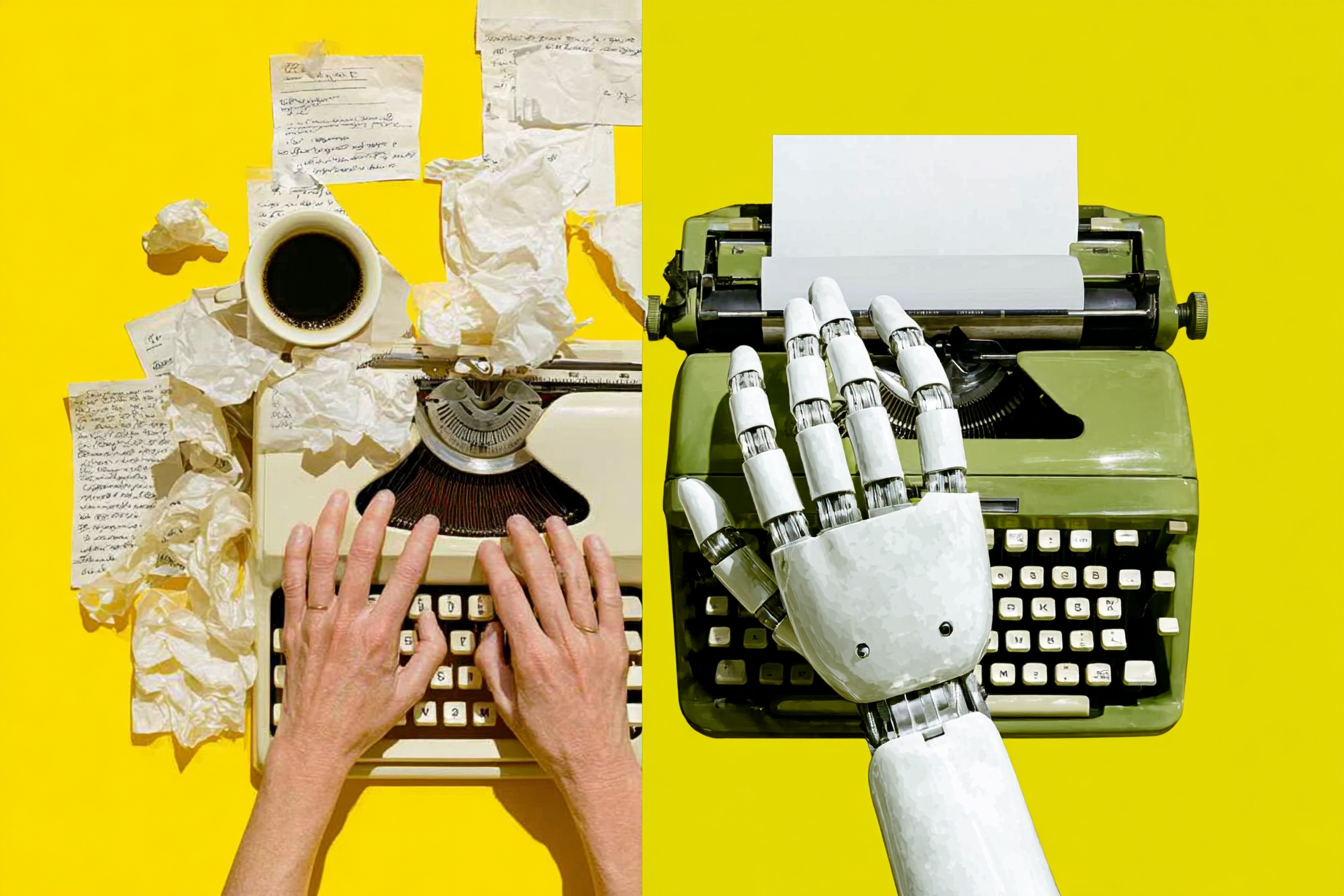
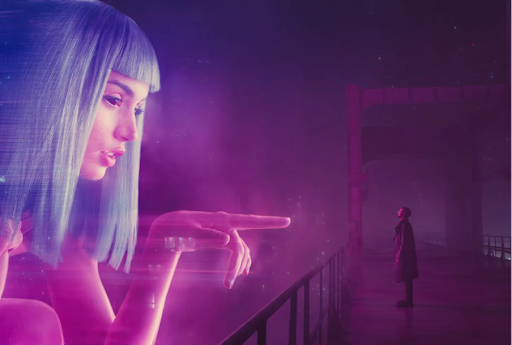
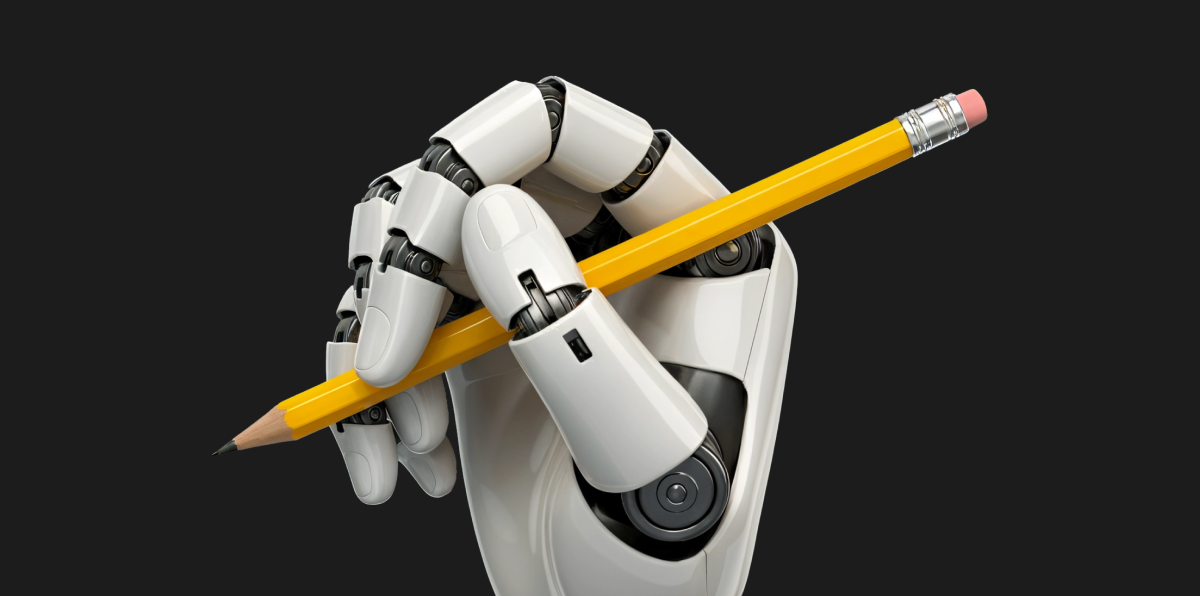
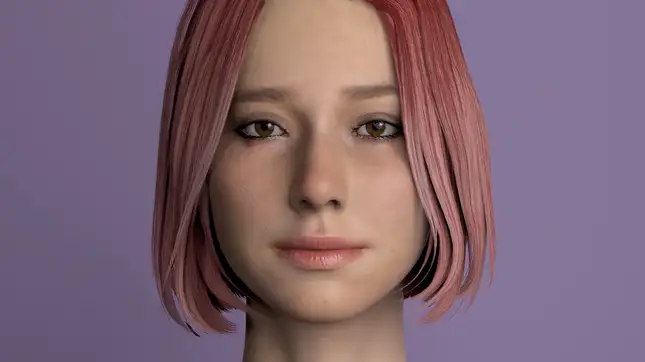
It’s easy to see AI as the opposite of empathy. But maybe it will become empathy’s amplifier. AI’s next frontier isn’t creativity, it’s chemistry — reading pulse, breath, tone. The machines are learning how to care, or at least pretend to.
As emotional AI evolves, it will learn to read tone, expression, stress. Done badly, this will feel invasive. Done well, it could create experiences that are deeply responsive, systems that sense when you’re overwhelmed and soften accordingly.
AI will also bring the quantification of emotion. And with that comes a new moral responsibility for brands. The brands that win won’t be those that predict emotion, but those that work to protect it.
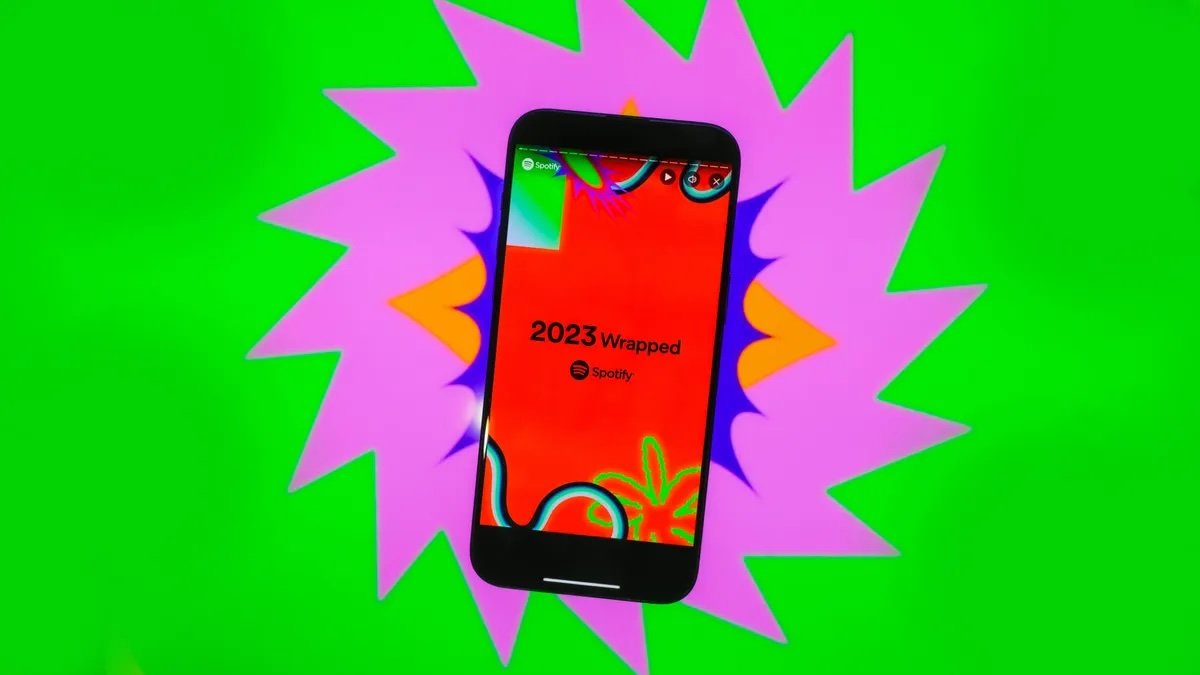
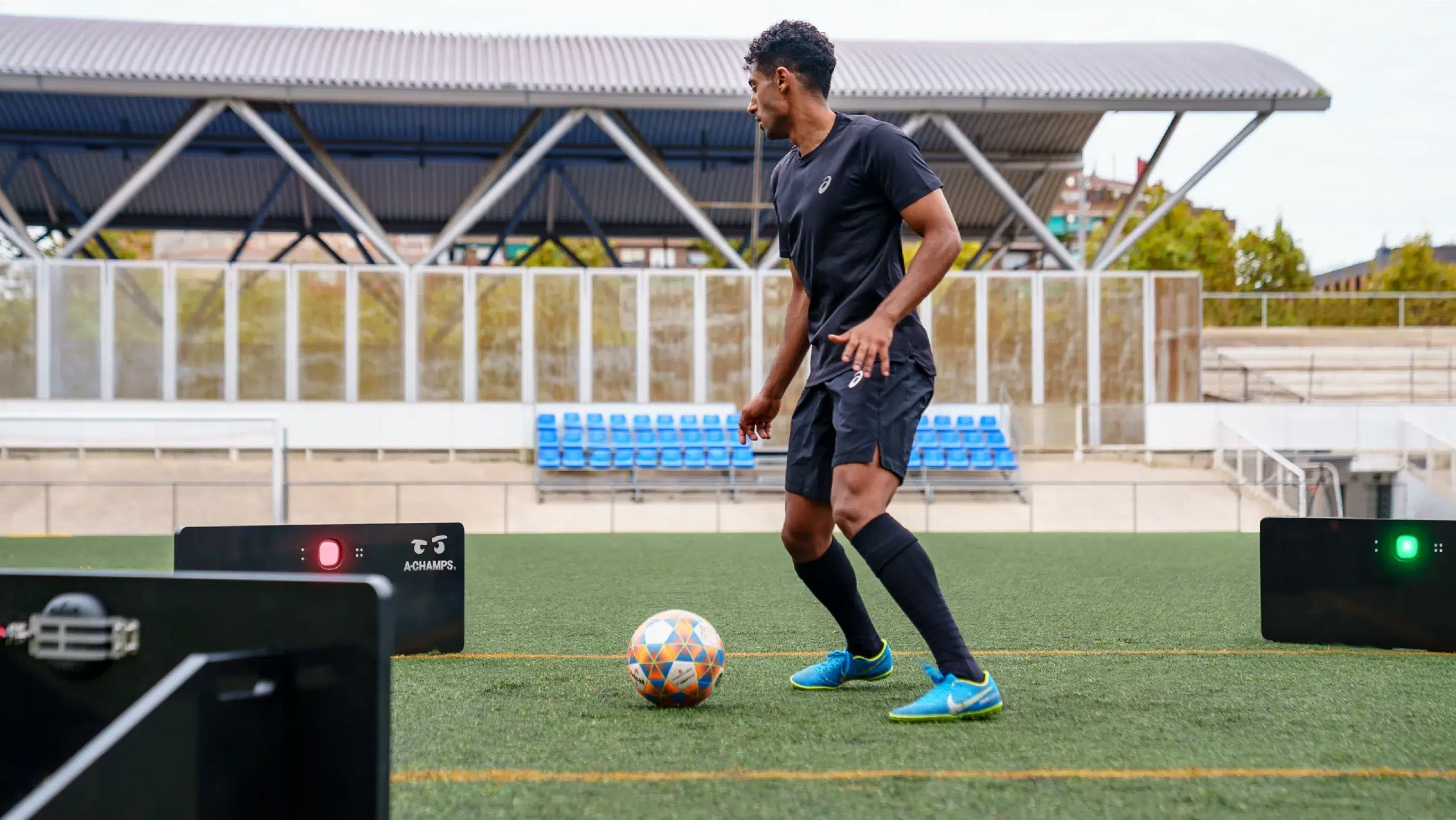
Imagine Spotify shifting your commute playlist when your biometrics dip, or Nike surfaces “calm mode” after a match loss. Imagine cities that dim their lights in sync with collective mood data, or news platforms that change their editorial style when stress levels spike. Emotional architecture isn’t out of reach, in fact it’s quietly being tested in your phone right now.
2026’s strangest innovation might not be a new technology at all. It might be our feelings, finally wired into the system — and the brands that learn how to handle them with care will hold the real power.
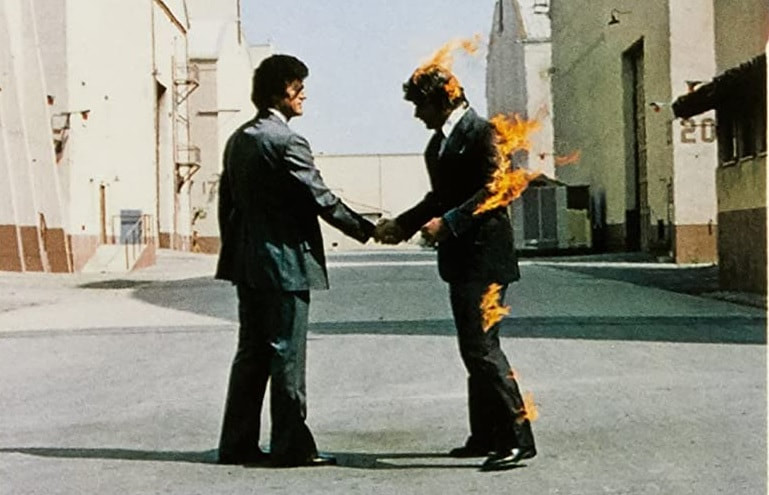
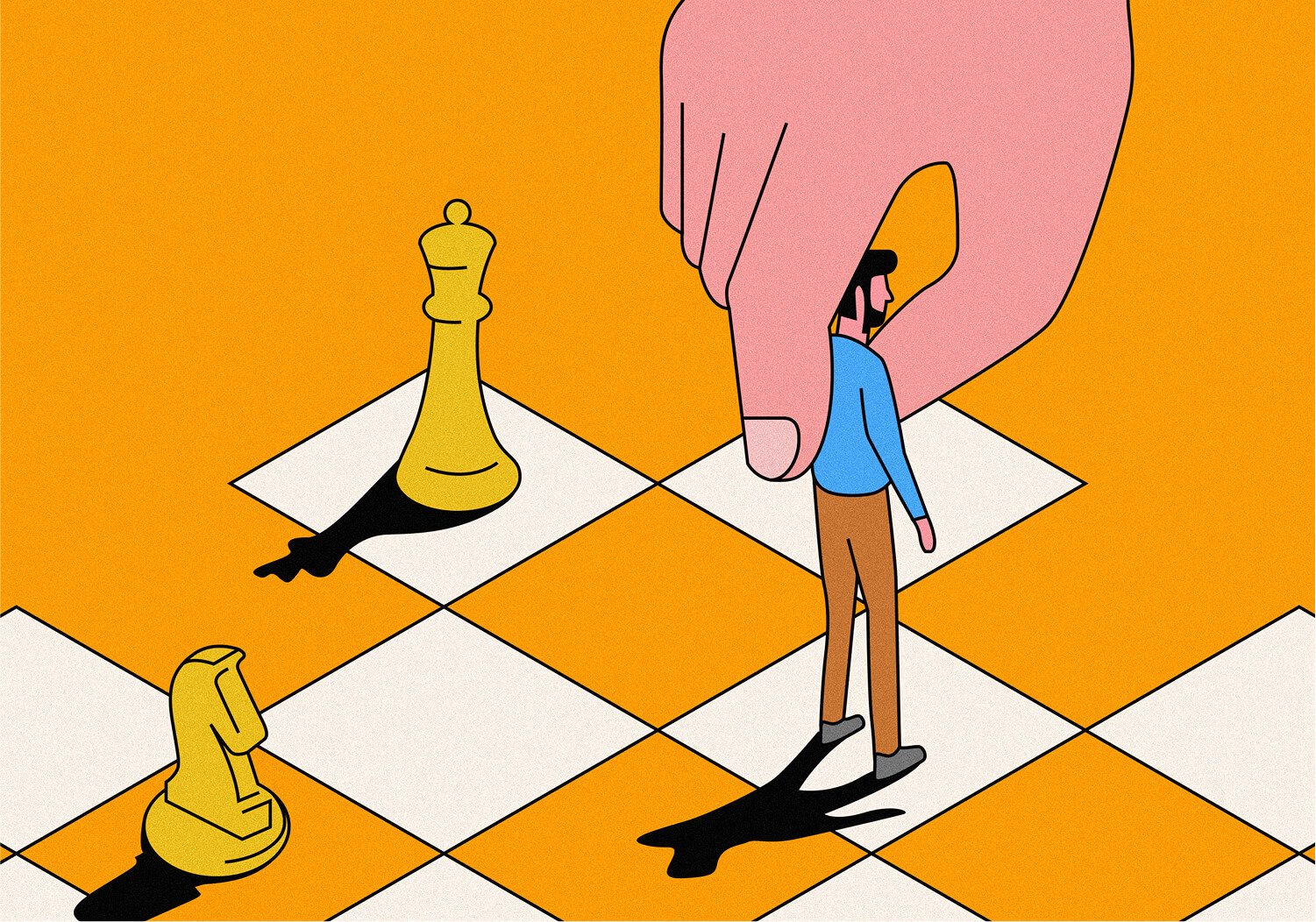
But when emotion becomes an input, who controls the output? Because emotional infrastructure could just as easily become emotional manipulation. Empathy as mere interface, rather than a fully-lived experience. And customers will be able to viscerally feel the difference.

→ Amy thrives on tackling the toughest challenges facing modern marketers. With infectious energy and deep empathy, she's driven record-breaking results for complex organisations like the British Army and won Gold at Cannes. Amy brings sharp strategic thinking and genuine collaboration to everything she touches at Untangld.