Get In Touch
hello@untangld.co
Get In Touch
hello@untangld.co
Follow
|
LinkedIn


Brands talk about customer-centricity like it’s a clean, noble, universally understood idea.
But the truth about customers, especially in 2026, is neither pure nor simple:
Yet we still talk about “the customer” like it’s 2009.
This is an invitation to update that mental model and why we need a new way to strategic lens of our customers to replace our comforting but outdated version of customer-centricity.
Classic customer-centricity was built on three big assumptions:
These assumptions have underpinned a decade of customer strategy.
But they sit very awkwardly against the reality we’re dealing with now.
Recent analysis of global data suggests roughly 15–20% of the world’s population is neurodivergent – including ADHD, autism, dyslexia, dyspraxia and other cognitive profiles. (worldmetrics.org)
That’s one in five of your potential customers. That’s not a niche or an edge case.
Accessibility and UX specialists are increasingly explicit: when you design for cognitive accessibility – clearer content hierarchies, reduced cognitive load, simpler navigation, and the ability to adjust how information is presented – you improve usability for everyone, not just people with cognitive disabilities. (Arc Inclusion)
At the same time, research on neuroinclusive workplaces connects properly supported neurodivergent employees with higher creativity, innovation and productivity, making “neuroinclusion” a business advantage, not a compliance exercise. (diversitycertification.org)
Together, these threads point to a simple conclusion:
Even if nothing else had changed, neurodiversity alone would be enough to demand a new definition of “customer.”
But something else has changed too: customers are no longer deciding alone.
While we’ve been updating our empathy maps, a second decision system has slipped into the customer’s life: AI agents.
Large language models and retail-specific agents are already:
Boston Consulting Group’s 2025 work on agentic commerce describes AI shopping agents as “reshaping digital commerce” and warns that, without intervention, retailers risk being reduced to background utilities inside agent-controlled marketplaces. (BCG Global)
A growing bank of research backs this up. A 2025 study found more than 60% of shoppers have already used conversational AI for shopping, often citing time savings and better recommendations as the main benefits. (Bloomreach)
Other analyses of Cyber Week and holiday spending show AI chat and assistant traffic exploding where in some cases, AI-mediated visits account for double-digit percentages of online orders, and shoppers using AI chat are significantly more likely to convert than those who don’t. (Reuters)
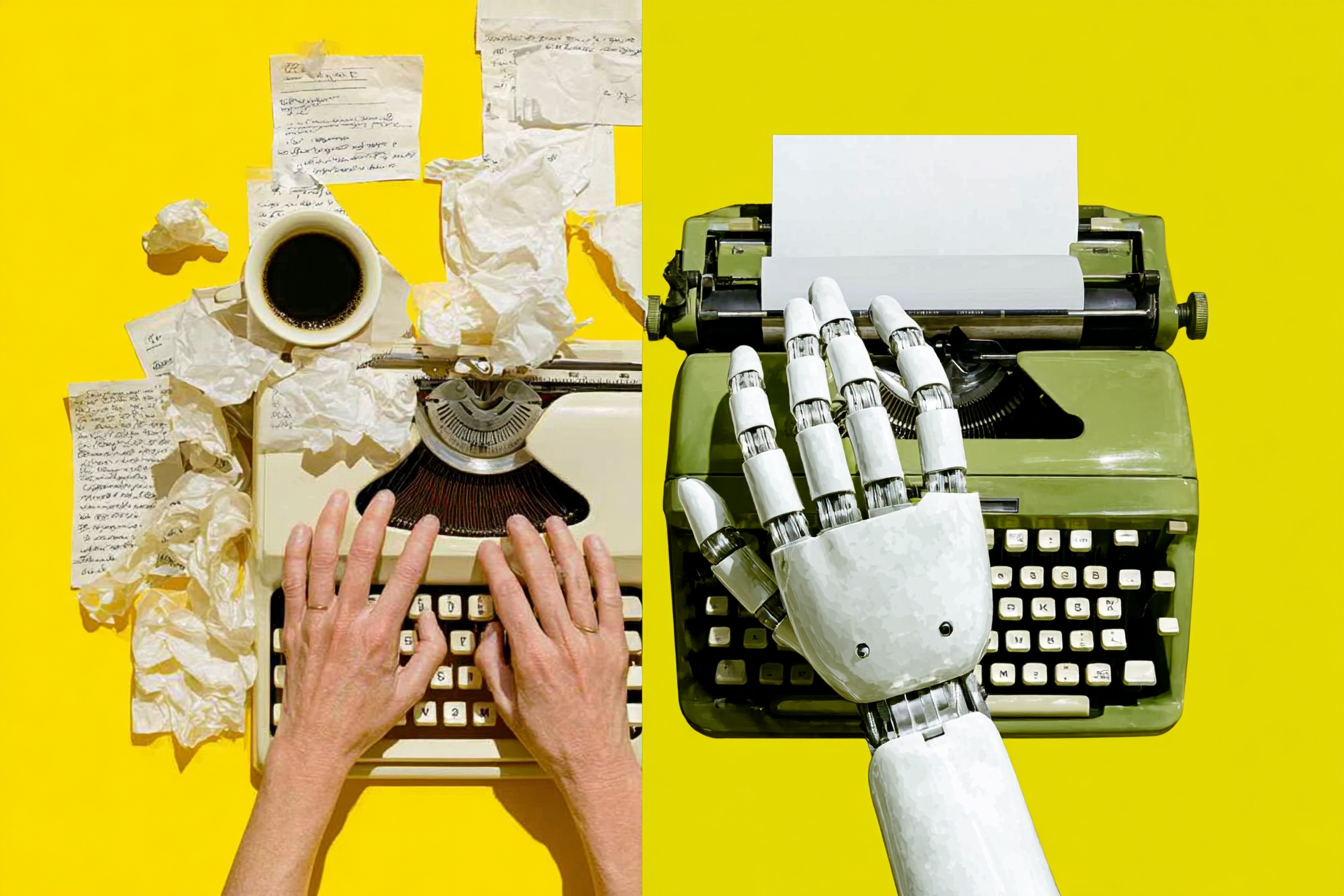
It’s hard to ignore. The real “customer” is increasingly a human–agent duo: the human sets intent; the AI carries a disproportionate amount of the cognitive load.
Brands now have to convince two decision-makers:
Here’s the question. When you talk about customer-centricity around the board room or in your 2030 plan, is this what you had in mind?
Put these threads together and where does that leave us?
The customer is evolving beyond the classical definition we built for them 15 years ago.
That’s why we need to move from old-school customer-centricity to a new way of thinking and understanding our customers.
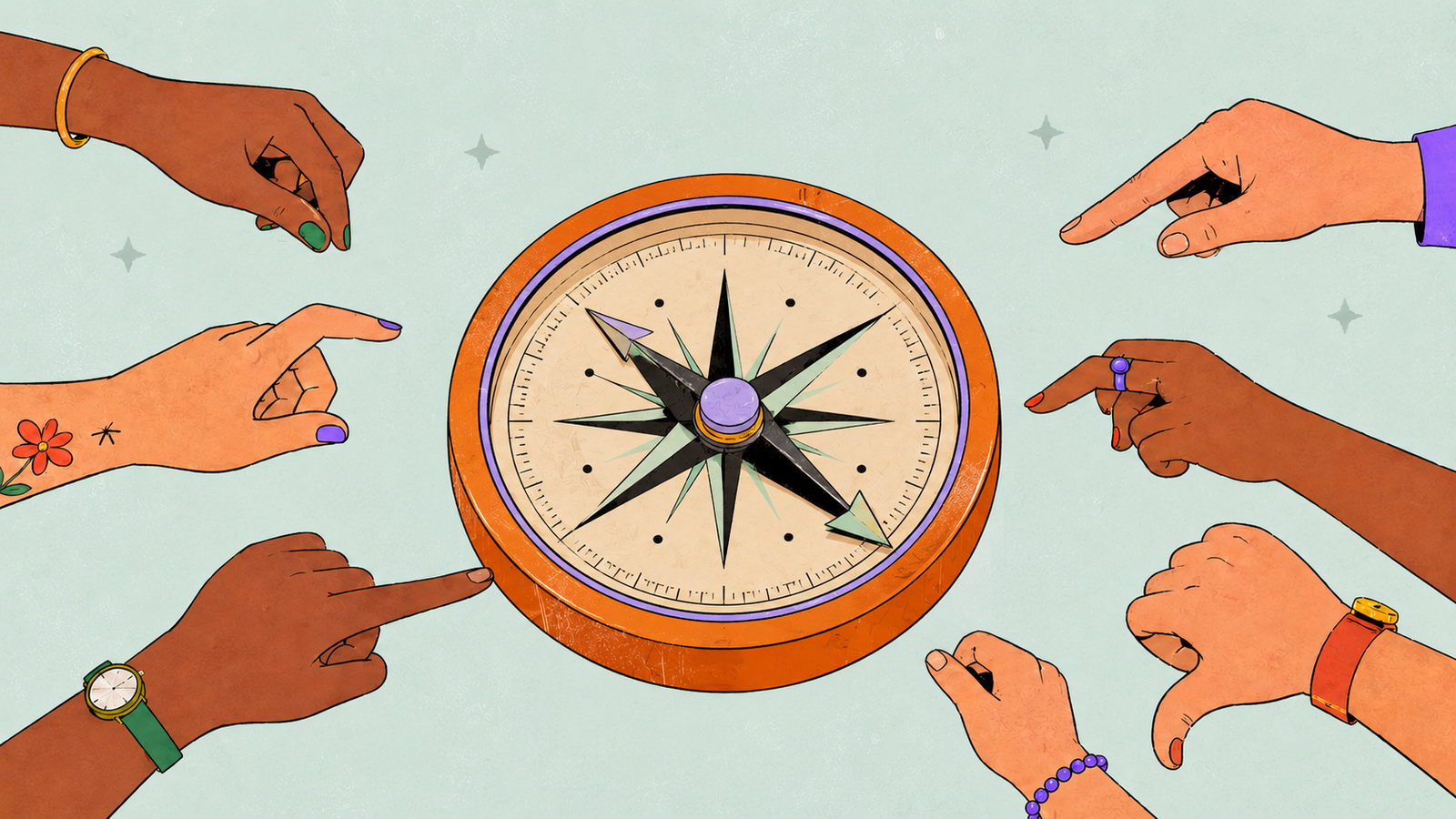
A view of modern customers that includes a wide spectrum of human cognitive styles and AI systems acting as decision-makers – and that businesses must design for how decisions actually happen, not how they used to.
It asks different questions:
Not just “who is our customer?” but “how do different minds – human and machine actually process this choice?”
Not just “what journey do we want them to follow?” but “what paths do they really take when they’re overloaded, distracted, assisted by AI, or thinking differently?”
Not just “how do we personalise this by segment?” but “how do we make it easier and clearer in real time for whoever, or whatever is deciding?”
If the last decade was about learning to say “customer-centricity” with a straight face in every meeting, 2026 is about doing something harder: accepting customer reality.
Practically, that means:
When it comes to customers in 2026 and beyond the truth is rarely pure and never simple.
And the businesses that will win will be the ones bold enough to embrace the messy, hybrid, beautifully complex truth of who the customer has actually become and to build their strategy, their design, and their decisions on that reality.

→ Danish is one of the most awarded strategists in the world, having worked on some of the most iconic brands in the last decade including Virgin Atlantic, Coca Cola, and Volvo. Danish spent his career helping to make modern, connected strategy integral to world-class effective work. A co-founder of Untangld, and a founding partner of By The Network, Danish is also a regular judge at the Effies and WARC Global Effectiveness Awards and a contributor to popular industry rags.