Get In Touch
hello@untangld.co
Get In Touch
hello@untangld.co
Follow
|
LinkedIn


The great efficiency cash-grab of AI automation is upon us. This is a moment to uplift. Capital is aesthetic: the best businesses are designed and composed – with rhythm and restraint; even beauty. Many will race to the bottom. The competitive edge is to treat capital as craft.
Samo Burja wrote one of my favourite distinctions for navigating the modern landscape: live versus dead players. Live players ~ the individuals and organisations still capable of original action ~ adapt, experiment, and evolve. Dead players copy the playbook of others.
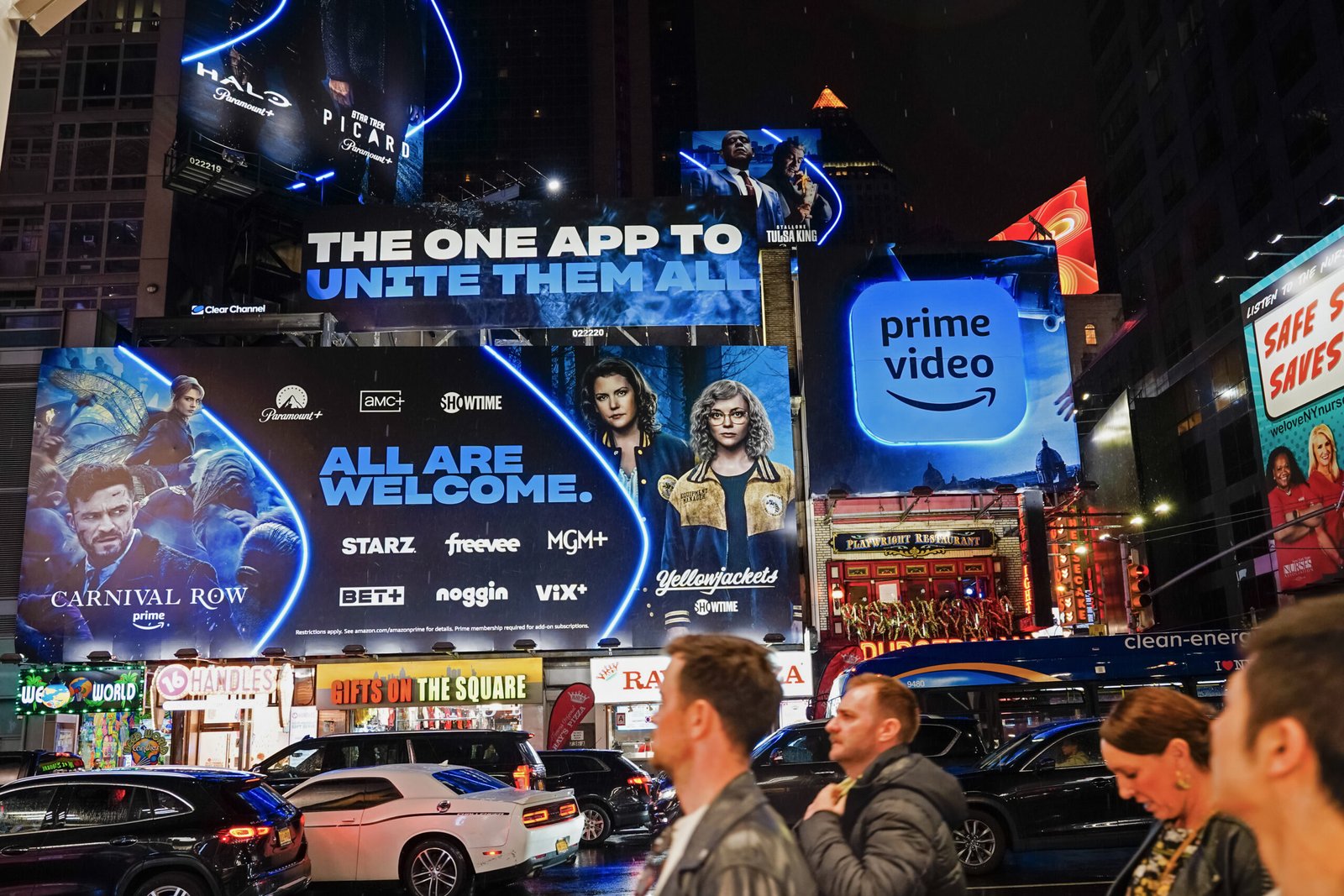
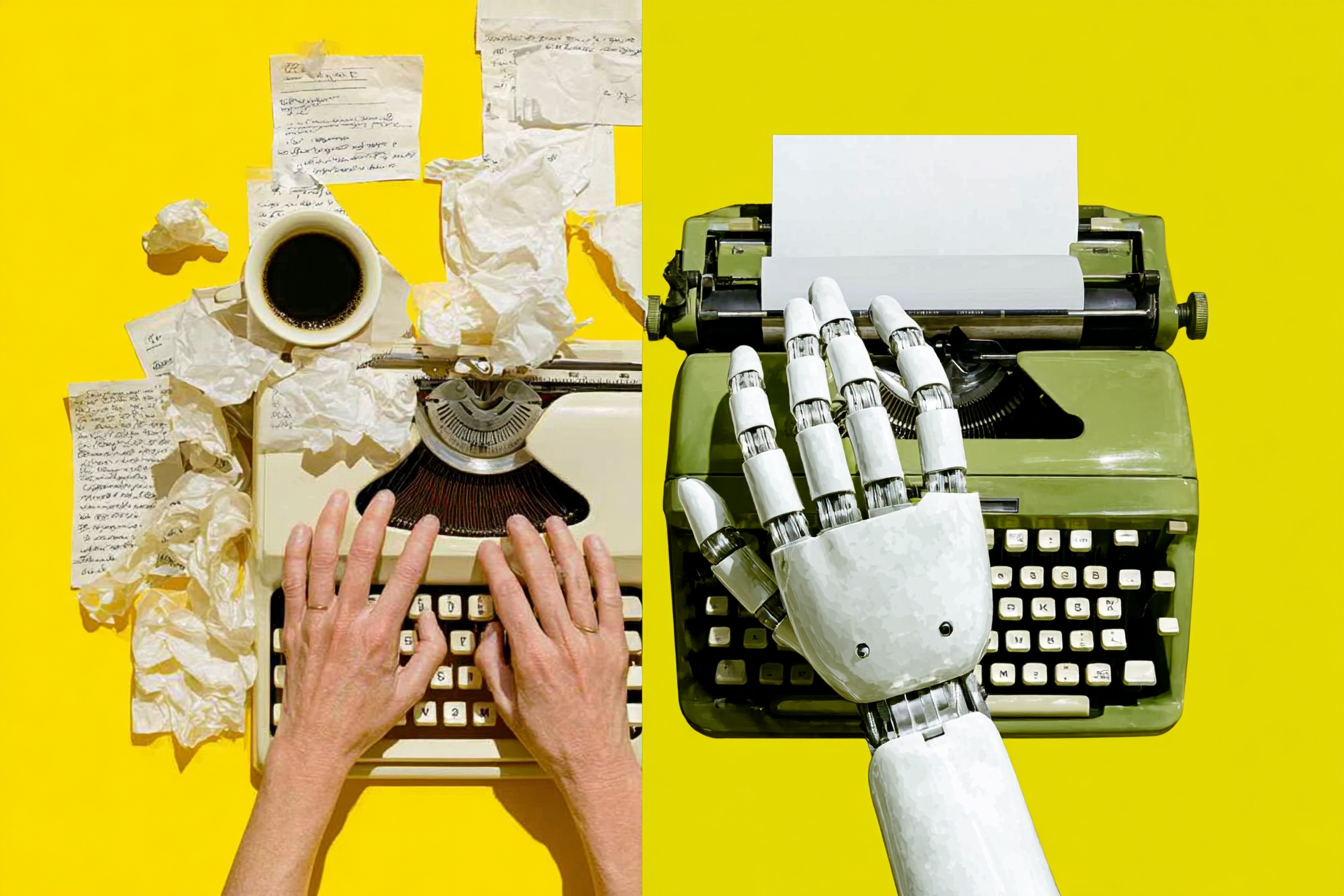
In turbulent times, with AI automation accelerating across every function, many organisations are behaving like dead players, treating automation as a shortcut to stability. McKinsey estimates that AI could automate 30% of American work hours by 2030, and you can feel the scramble: teams cut overnight (and then, in some cases, embarrassingly rehired), strategies rewritten by committee, decision-making cognitively offloaded.
Live players create. They understand that you can’t cut your way to growth, and that when everyone else is commoditising down, you can go up. This is a moment for transcendence, not just efficiency.
The idea that capitalism can be beautiful might feel counter-intuitive. But capital is aesthetic. Aesthetic capital is the ability to shape resources, money, people and into a coherent, resonant whole. Founders and other imaginative business leaders intuitively know this: every new creation shifts the world in its own small way; towards greater enrichment or distraction; towards more generosity or more exploitation.
Ayn Rand referred to “living money” as something that expresses taste, discipline, and vision. Great business leaders use capital to execute their mission, create disruptive impact, reimagine categories. Shaping this flow is aesthetic, not mechanistic.
Look at the standout companies in your preferred saturated category. They win through this philosophy.
Loewe became LVMH’s fastest-growing fashion house by doubling down on craftsmanship, personality, and aesthetic coherence.
A24 bested Hollywood by building a cult through curation and taste.
Figma could turn down an approach by Adobe because it didn’t try to dominate design through incremental efficiency; it redesigned the experience entirely, treating software as a creative object rather than a productivity tool.
These companies didn’t escape commoditisation through speed. They escaped it through the aesthetic clarity of their businesses. Each demonstrates that in an age of infinite production, the next small change won’t win, only the next breakthrough.
The advent of intelligence-as-SaaS means that competence in writing, design, strategy and analysis no longer offers its old edge. Gartner predicts that more than 80% of enterprises will have used generative AI APIs or deployed generative AI-enabled applications by 2026, raising the default standard of strategic output dramatically. Just as cheap design tools led to decades of blanding, we’re going to experience the same levelling-out of thinking.
In that world, the difference between good and great won’t be capital raised, but capital expressed. How ideas, resources, time, people, and attention are structured will become the defining art form of enterprise.
This trend has been emerging for years. Quiet luxury in fashion, Cal Newport’s slow productivity, the investor-as-curator — all signal the same cultural pivot. In a world of infinite possibility, advantage lies in clarity and coherence, in the development of a beautiful business.
When we started Untangld, it was built on the belief that no one could afford to take a shot in the dark. That the thinking that got you to this point wouldn’t necessarily help you navigate the next. This became true faster and more dramatically than we ever expected: we founded the business in 2020, two weeks before a pandemic, two years before a silent economic collapse, and only a few years before superintelligence came as a subscription. The world has never been normal to us. From that vantage point, the difference between the economy’s live and dead players is usually visible in the very first meeting.
What should we take into 2026? That clarity is a strategic asset, and composition is leadership.
In that context, commoditising the wrong thing is to choose your own irrelevance.
Business is more than a spreadsheet.

→ A proven business leader to some of the world’s most innovative and successful B2B and government brands including AGL, CommBank, WorkSafe and the BBC. Jamal’s multifaceted experience includes the practical application of insight into meaningful growth strategies, processes and digital products. From start-ups to blue-chip businesses, he’s helped launch ideas, scale teams, revitalise systems, and worked with business leaders to level-up their models and approach to brand experience.