Get In Touch
hello@untangld.co
Get In Touch
hello@untangld.co
Follow
|
LinkedIn


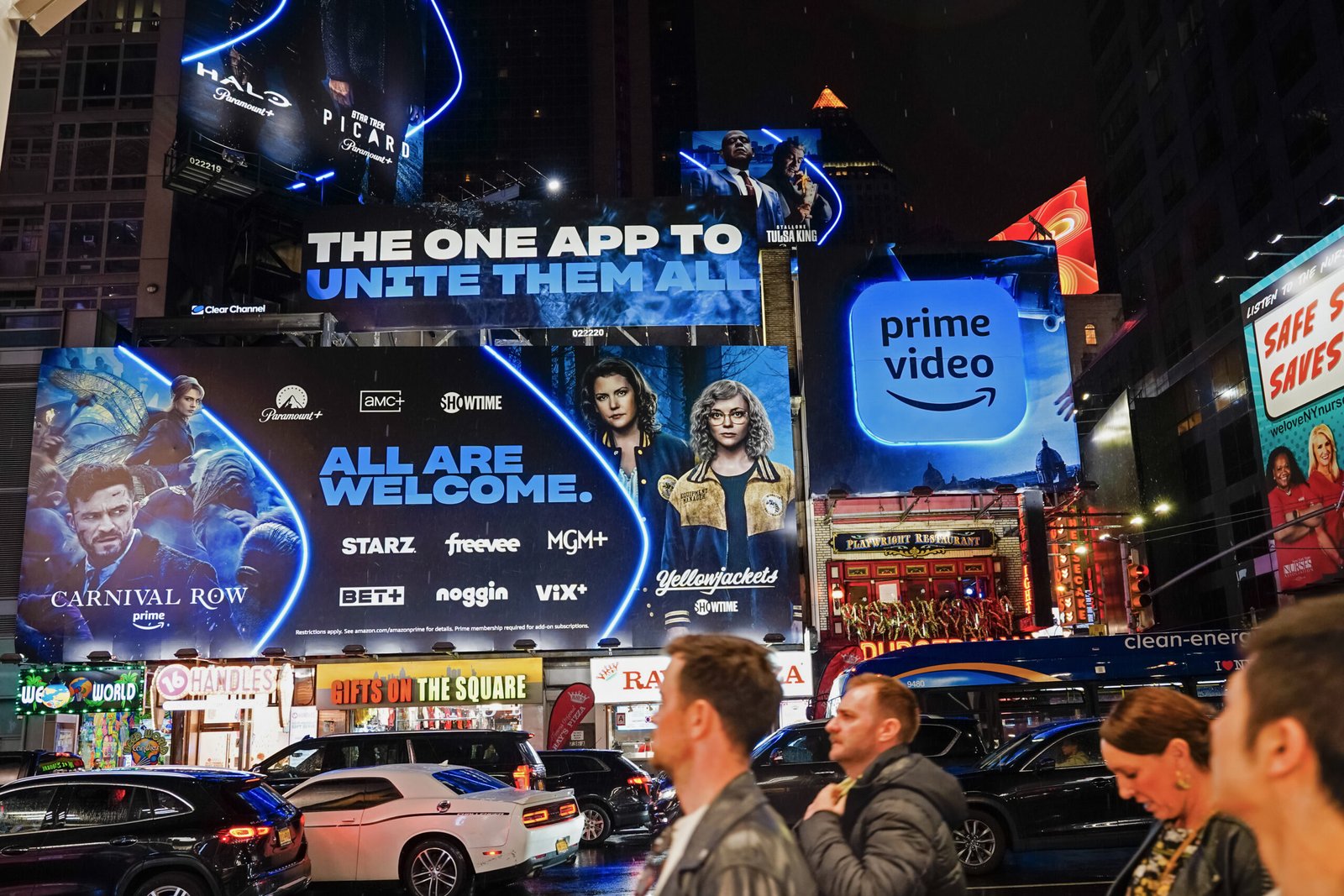
This is the burnout of the attention economy.
After a decade of chasing clicks and eyeballs, we’ve hit a wall. Every experience has been optimised, automated, and over-engineered to hold us just a little bit longer. AI was supposed to make life easier – to understand us, anticipate us, and cut through the noise. Instead, it turned up the volume. Notifications multiplied. Ads follow us everywhere. “Smart” systems became constant companions that don’t know when to stop talking (or listening for that matter).
Now the cracks are starting to show.
People are opting out – muting notifications, unsubscribing and turning away from the constant scroll. The question for 2026 isn’t how to capture attention anymore. It’s how to deserve it. Trust, time and focus have become the rarest things we have. The brands that earn them will be the ones that know when to be quiet, when to listen, and when to simply deliver what they said they would.
From reach to relevance
For years, success has been measured in reach – more followers, more impressions, more clicks. But that model’s cracking. The algorithms that once promised us relevance, now deliver us repetition. Everything looks and sounds the same.
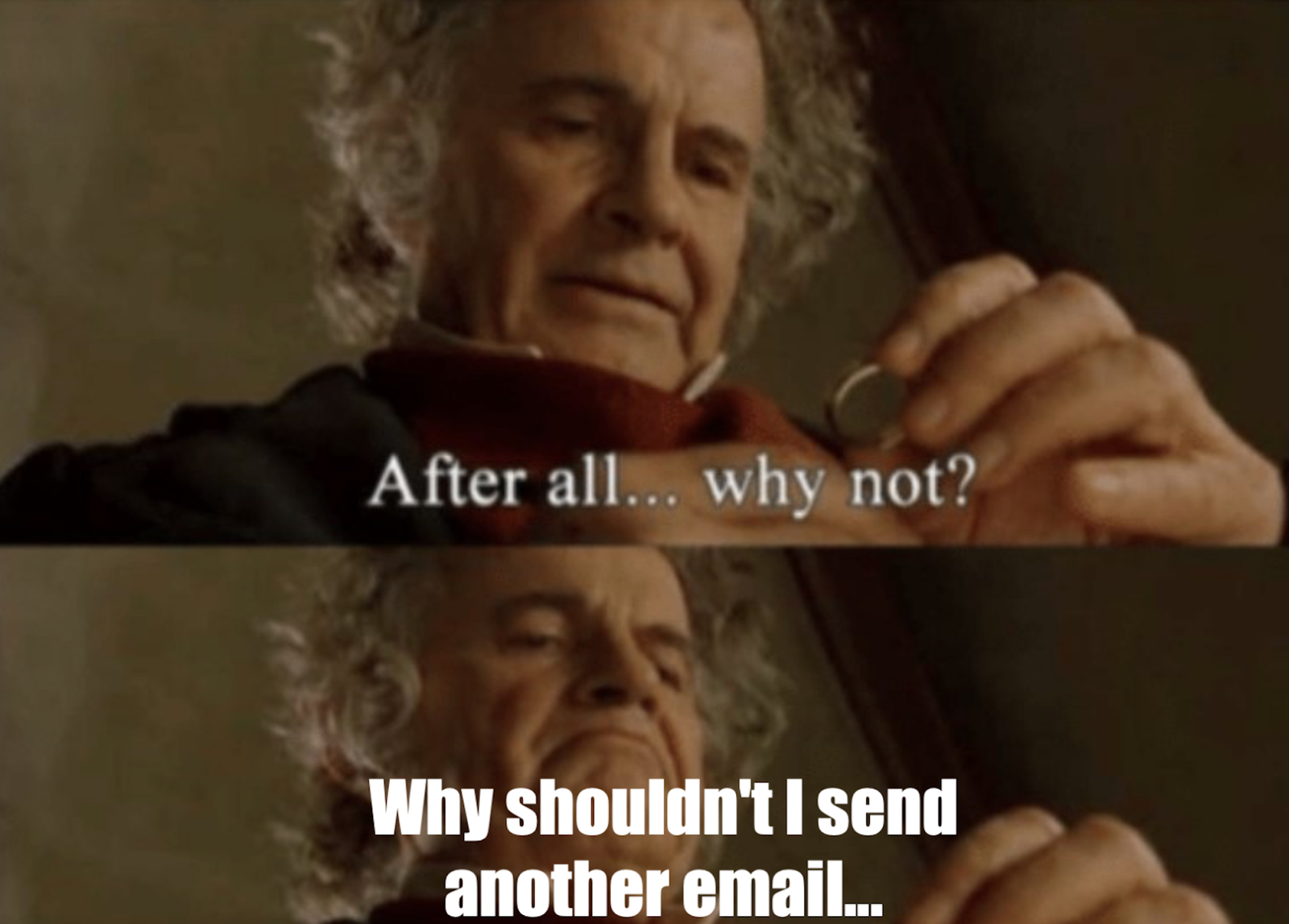
In 2026, the focus will shift from being seen to being useful. People will reward brands that simplify their choices, not multiply them. The smartest systems won’t chase your attention – they’ll know when to pause, when not to send another reminder, when not to fill your screen with noise.
The brands that thrive next year will be the ones that see attention as a privilege, not a KPI (even if it still is one). Sometimes, the most powerful thing you can do is to stop talking.
Predict me less, understand me more
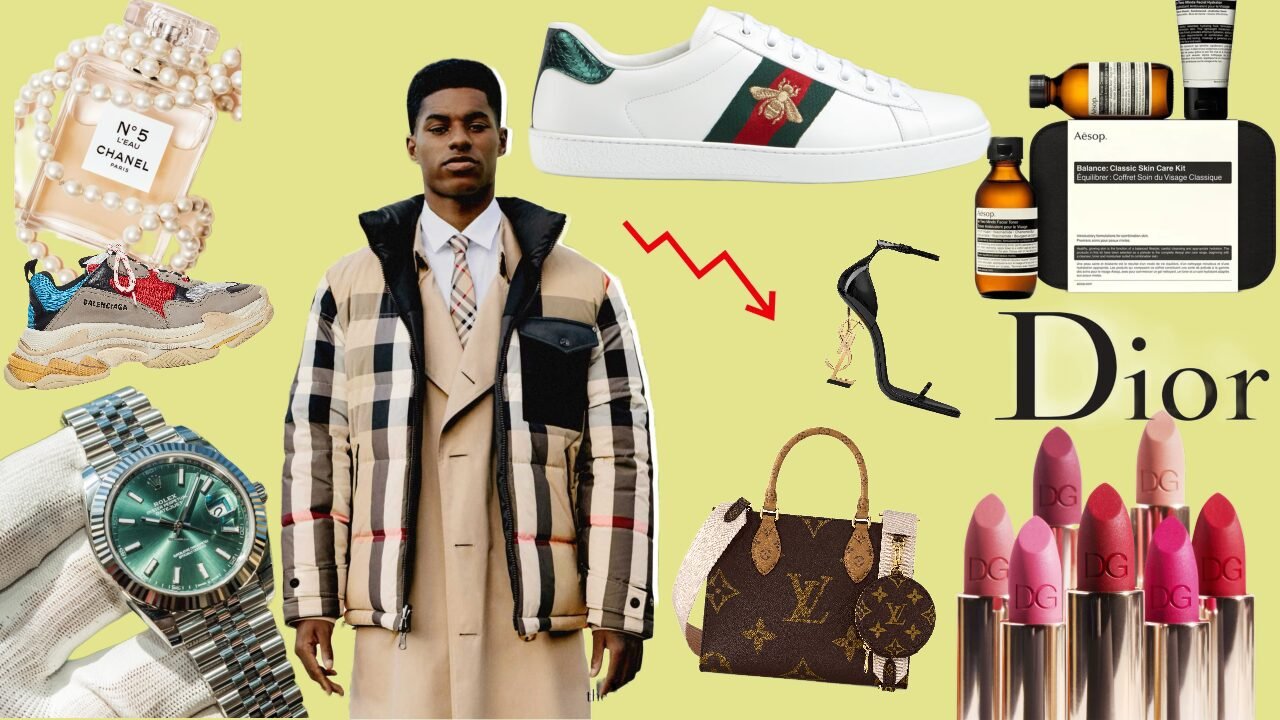
We’ve hit personalisation fatigue. After years of being tracked, tagged and targeted, we the people are asking for something new: to be understood, not predicted.
People care less about hyper-targeted offers and more about whether a brand actually gets them – their context, their timing, their mood even. The most trusted experiences won’t be the ones that get it perfectly right every time. They’ll be the ones that feel the most considerate.
A loyalty email that doesn’t assume. A checkout that doesn’t push an upsell or grab more data. A chatbot that admits it doesn’t know and offers human support instead. These small gestures will start to matter more than any AI-driven “you might also like” suggestions. Because the opposite of personalisation isn’t generalisation – it’s respect.
Decision fatigue at scale
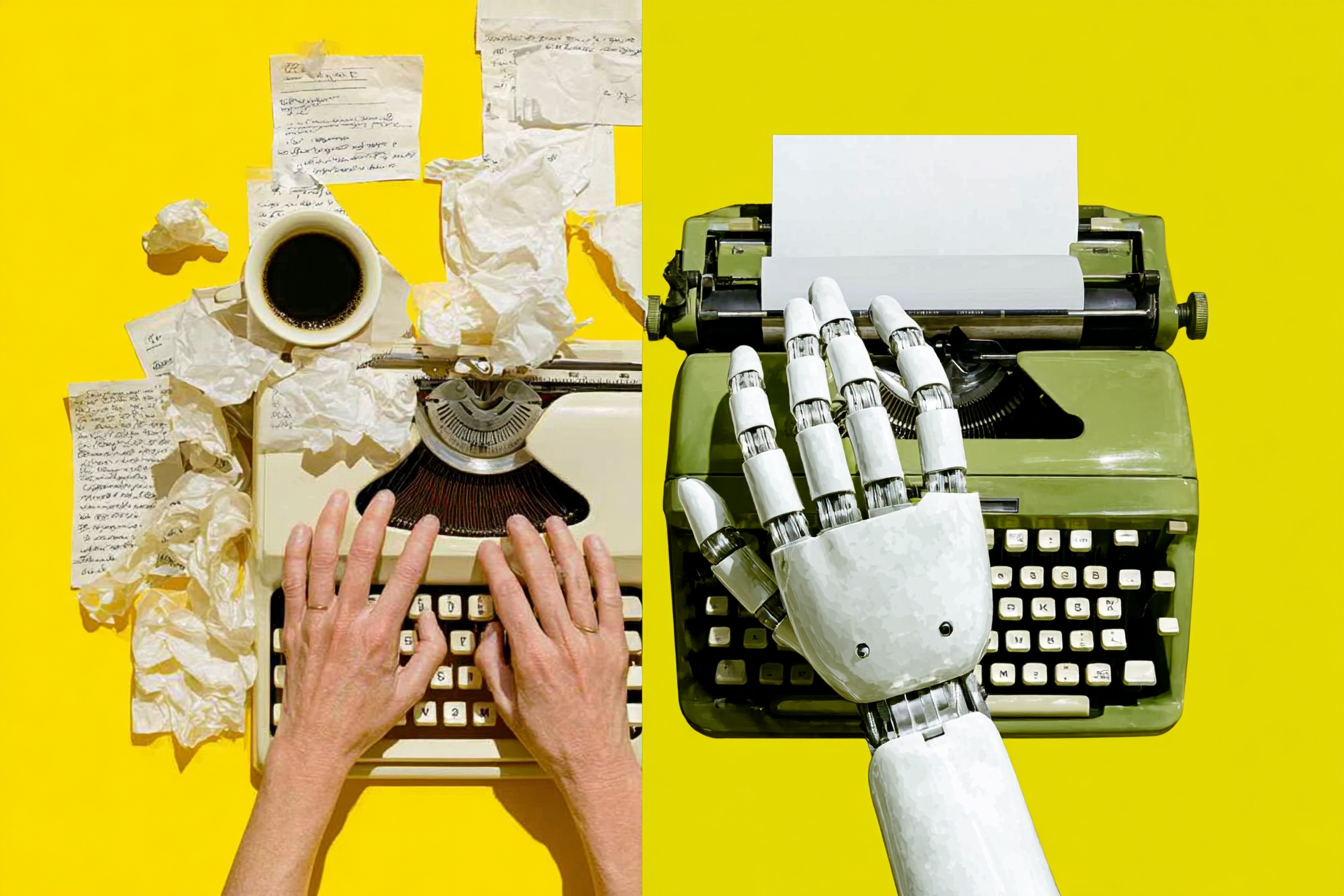
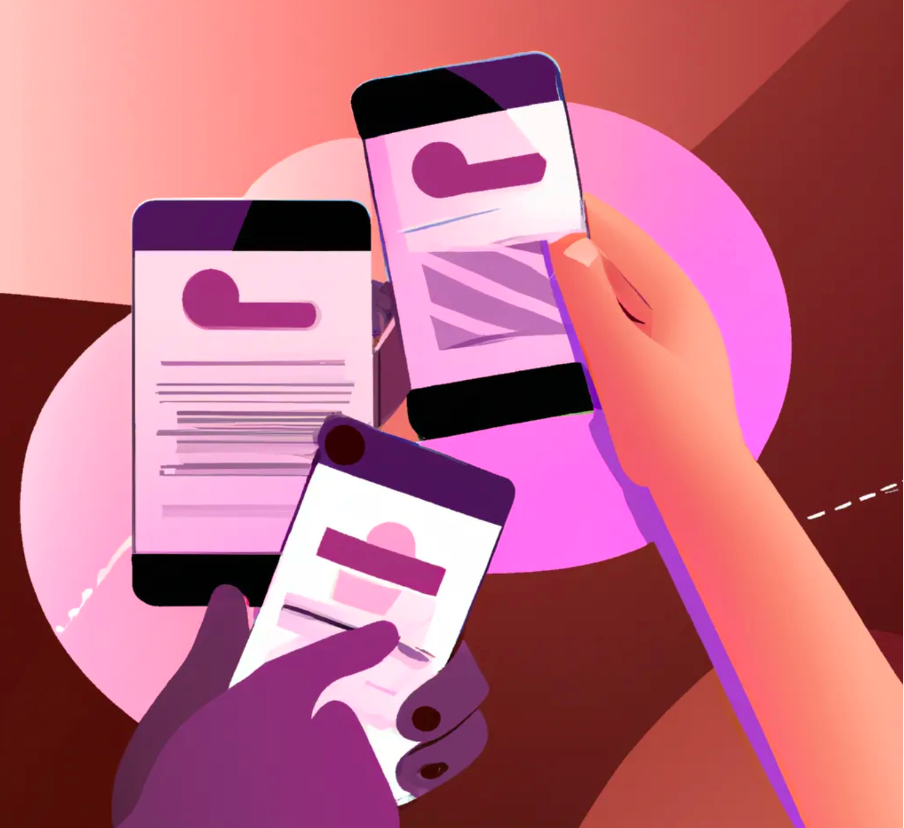
AI was meant to make life easier. But somewhere along the way, it’s made it more tiring. Every “smart” prompt, every half-relevant suggestion, every “just checking in” notification adds a little more friction.
The result is decision fatigue – not from lack of options, but from too many bad ones. And people are starting to push back. They’re uninstalling, using app blockers, switching to focus modes, or seeking products that give them mental space.
In 2026, the most valuable kind of experience won’t be the most interactive – it’ll be the most peaceful. Brands that help people feel calm, clear, and in control will win over those that just shout louder.
The trust economy
As the noise rises, trust will become a new kind of currency and measure. We’ll start seeing early signs of what could be called “experience trust scores” – informal but powerful measures of how brands behave.
Do they respect your data? Do they deliver what they promise? Do they make it easy to opt out? People will notice. They’ll reward brands that feel honest, transparent, and human – even when powered by tech.
My prediction is that the next phase of the attention economy won’t be about hacking human behaviour. It’ll be about honouring it. From extraction to exchange. From volume to value. From capturing attention to truly deserving it.
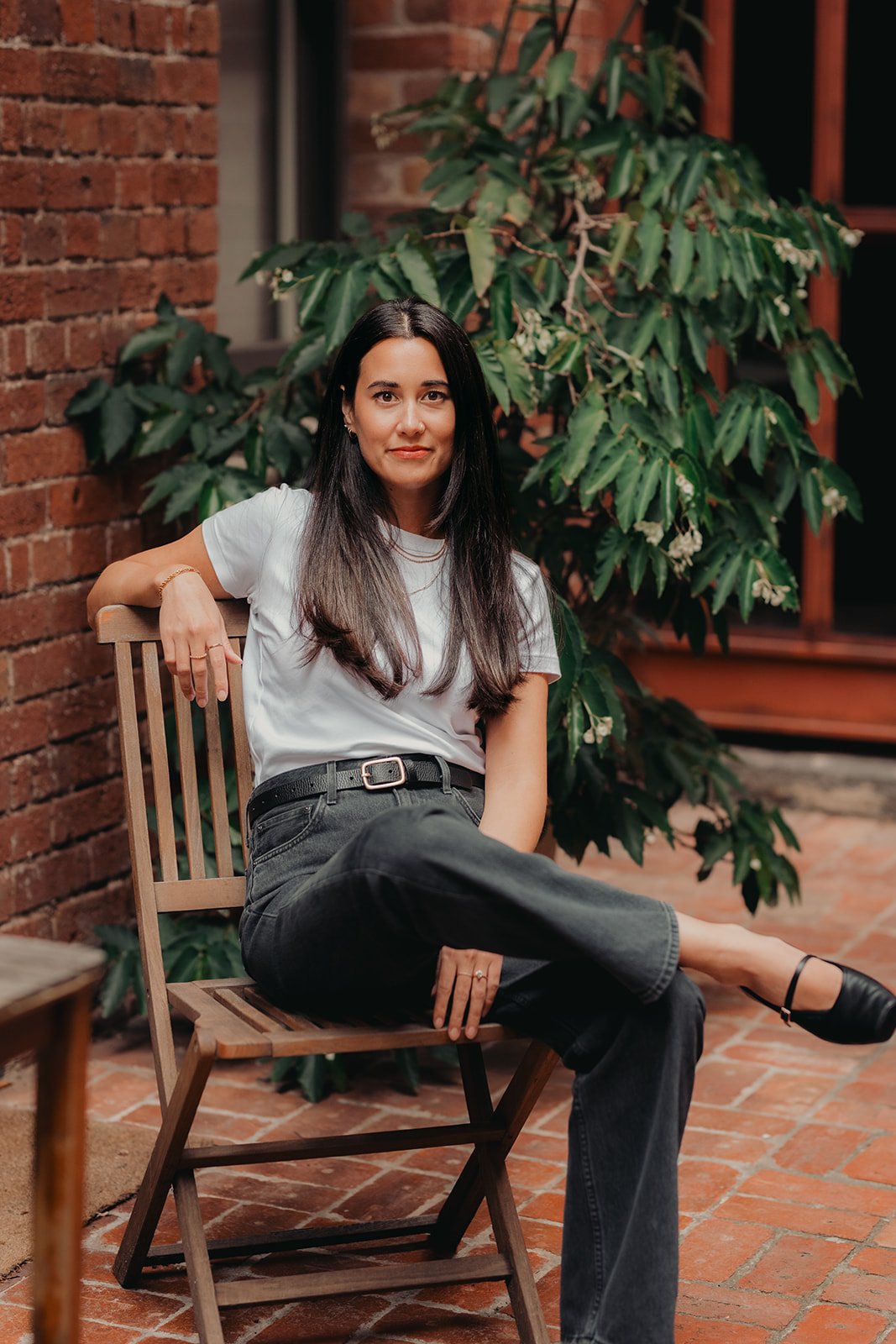
→ Rachel’s expertise lies in driving customer-focused initiatives, with a strategic data-driven business mindset. With over 11 years in advertising and consulting roles, Rachel has acquired a unique skillet working across a diversified portfolio of clients and programs spanning across OOH, Experiential, Digital, Web, Personalisation, CX and UX. She’s had the opportunity to work on transformative brand programs such as the Honda portfolio, Samsung, Parmalat, Ripley’s, Amex, Smirnoff and more.