Get In Touch
hello@untangld.co
Get In Touch
hello@untangld.co
Follow
|
LinkedIn

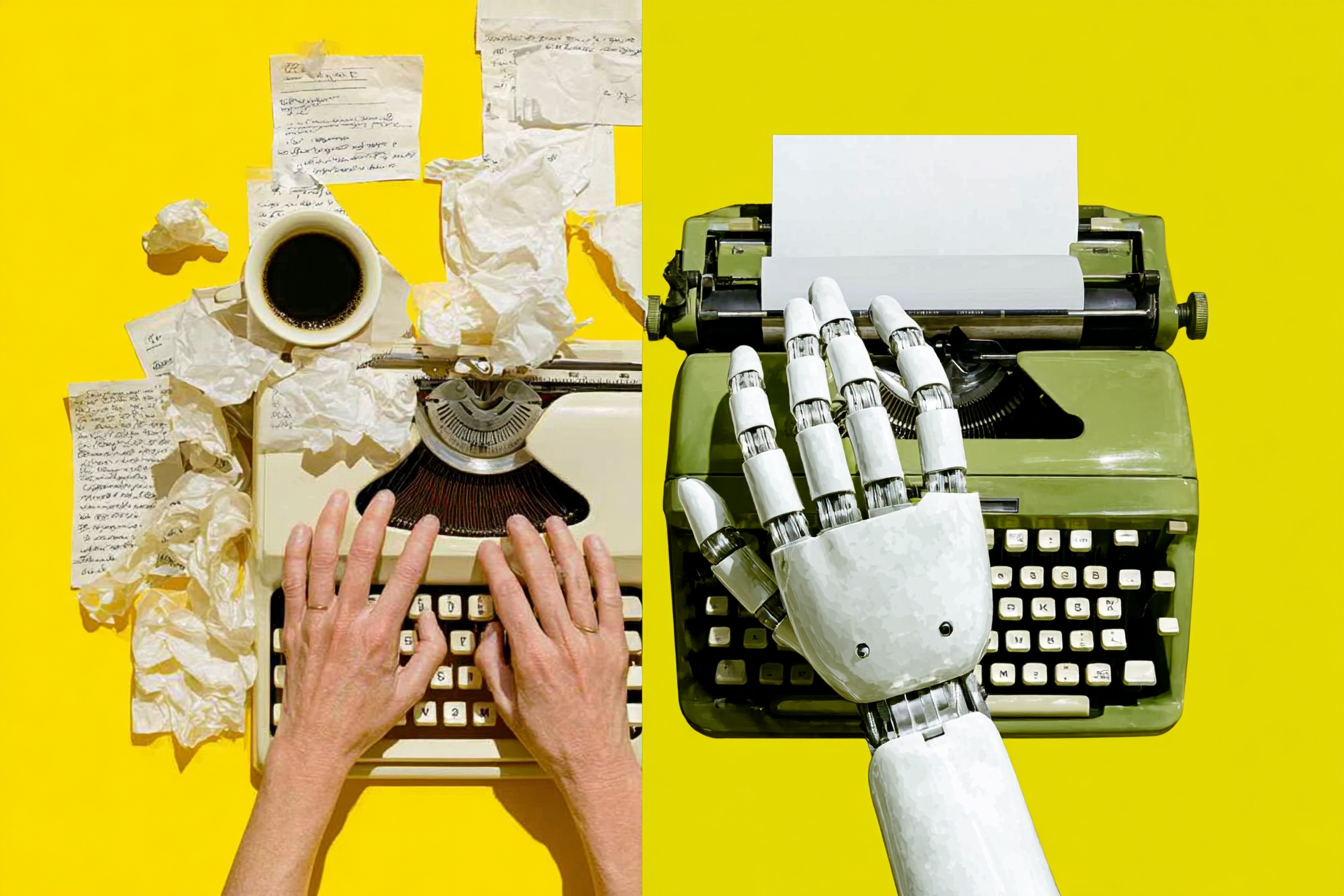
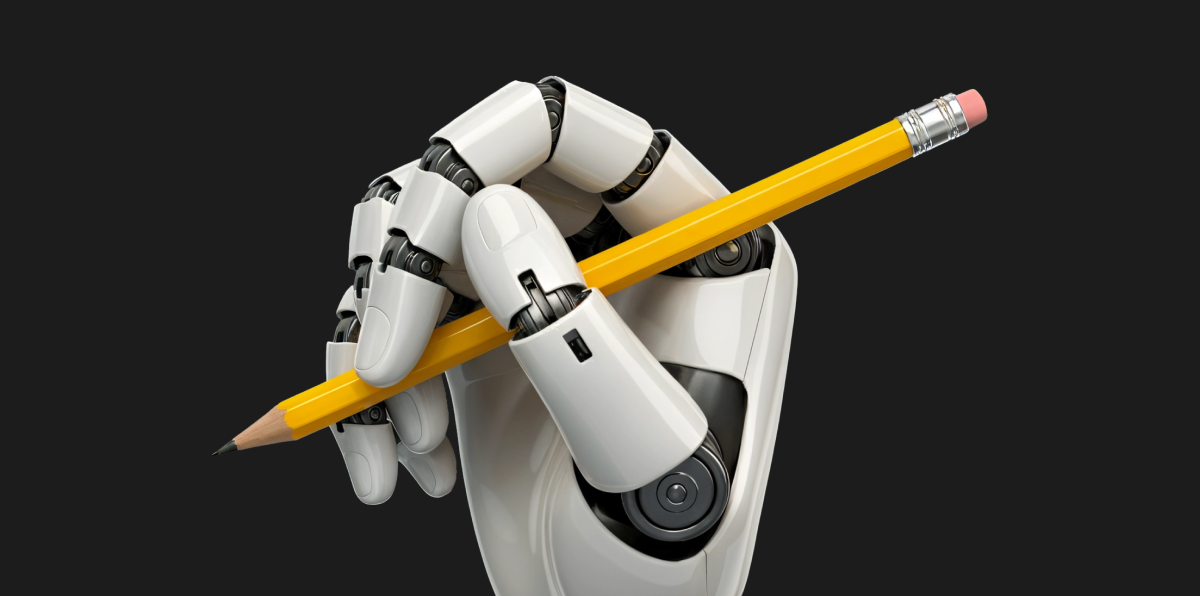
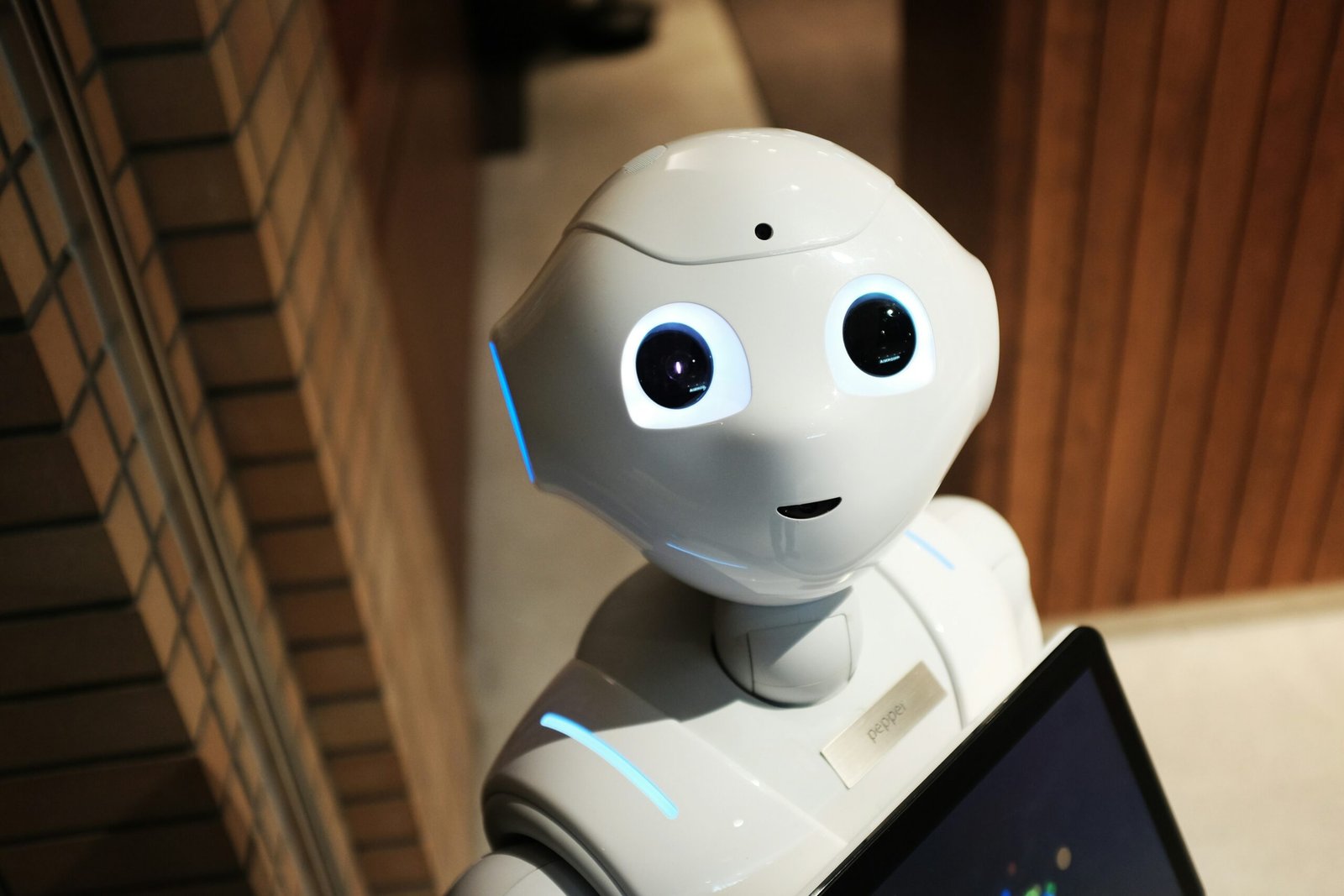
The co-bot, once a word from the factory floor, has quietly become part of our daily life. It sits in our meetings, helps shape our words, sorts our decisions. It moves quietly, makes things a little smoother, a little faster and a touch less mentally taxing.
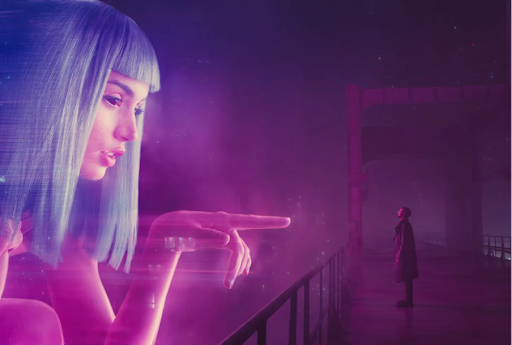
At first, that felt like progress. But the co-bots have been learning more than tasks. They’ve been learning us. Every decision, tone, and creative choice is data, not just about how we work, but how we think. We believed we were training tools. In reality, we were giving them a front-row seat to being human.
And now the line is blurring. In 2026, value will begin to shift toward the things that still carry warmth, story, or imperfection. The future will belong to whoever can still make something that feels unmistakably alive and felt.
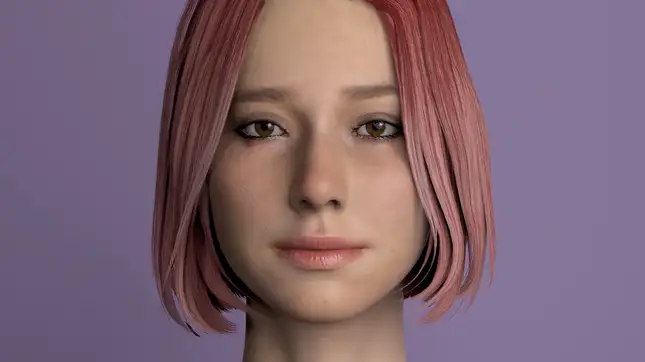
The biggest shift of 2026 will be the full arrival of co-bots. Machines that no longer just assist but actively shape our work. They’ve learned our preferences, absorbed our tone, and mirrored our creative instincts. This year they responded to us, next they will anticipate us.
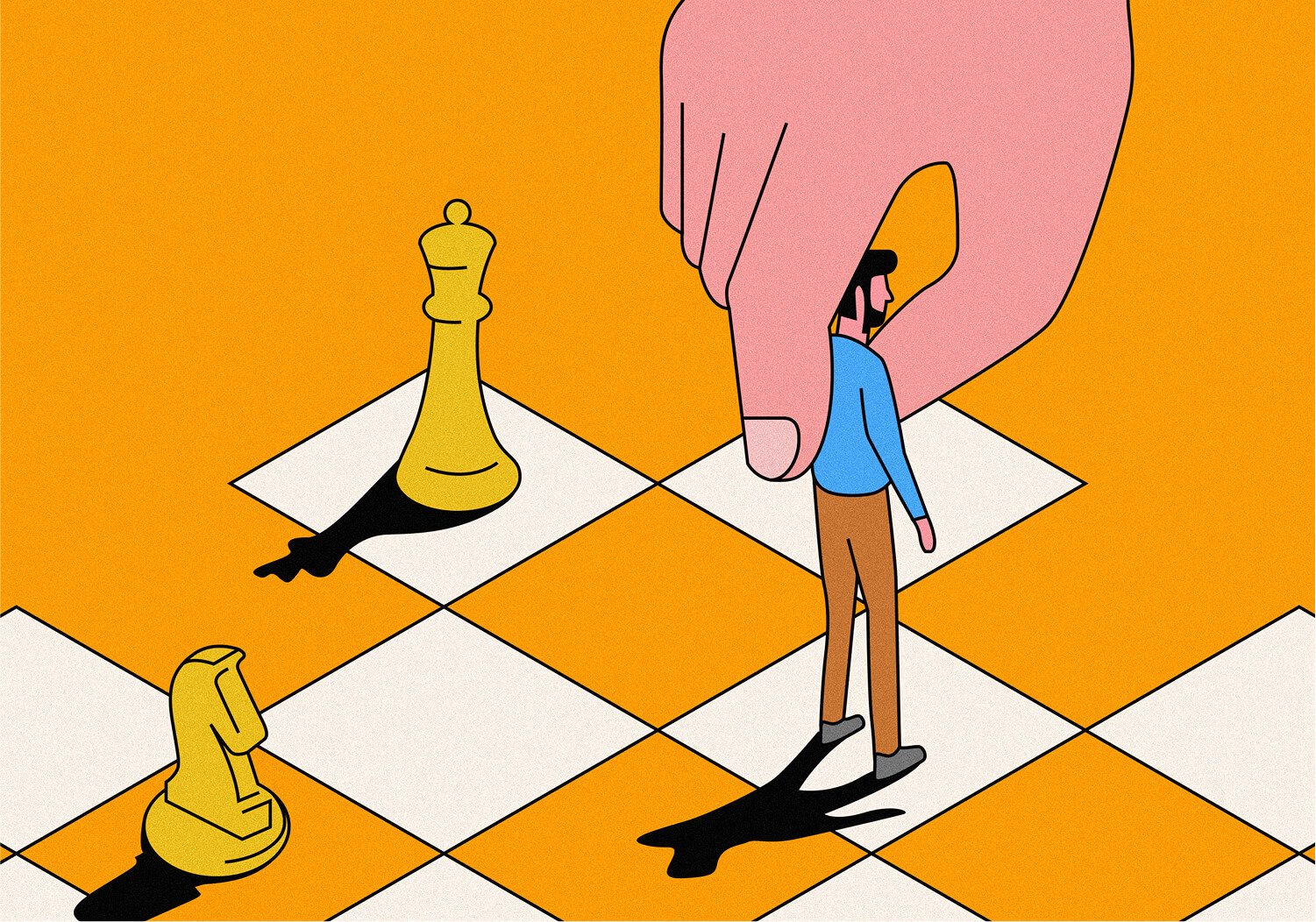
This quiet evolution will change how creativity and strategy operate. The co-bot will sit inside the process itself, subtly influencing what gets made and how. The danger is the slow flattening of originality as everything begins to sound like the same perfect average.
Brands and creators who thrive in this new landscape will focus less on scale and speed, and more on what can’t be replicated. Work that carries the texture of time, intuition, and emotion.
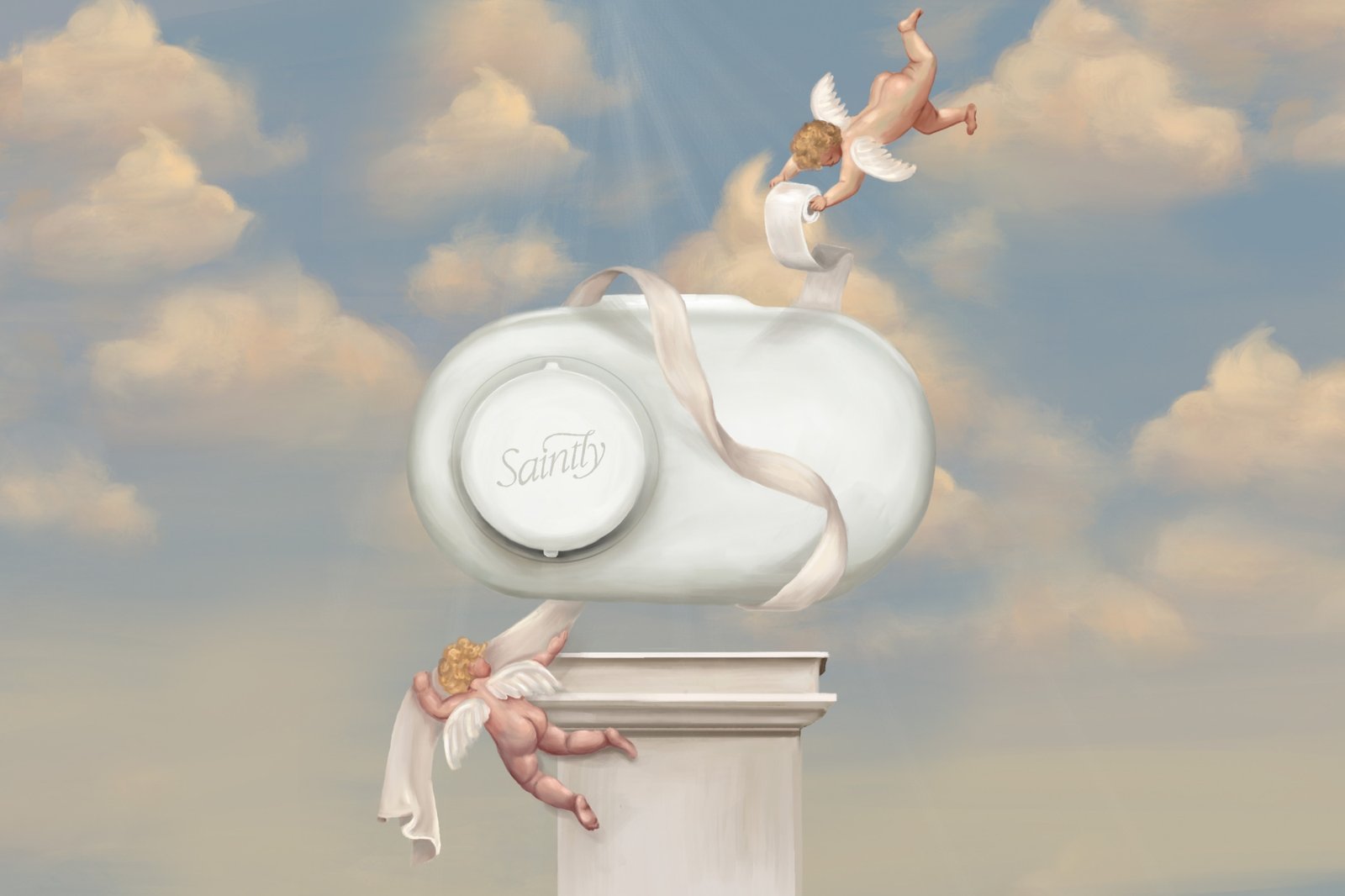
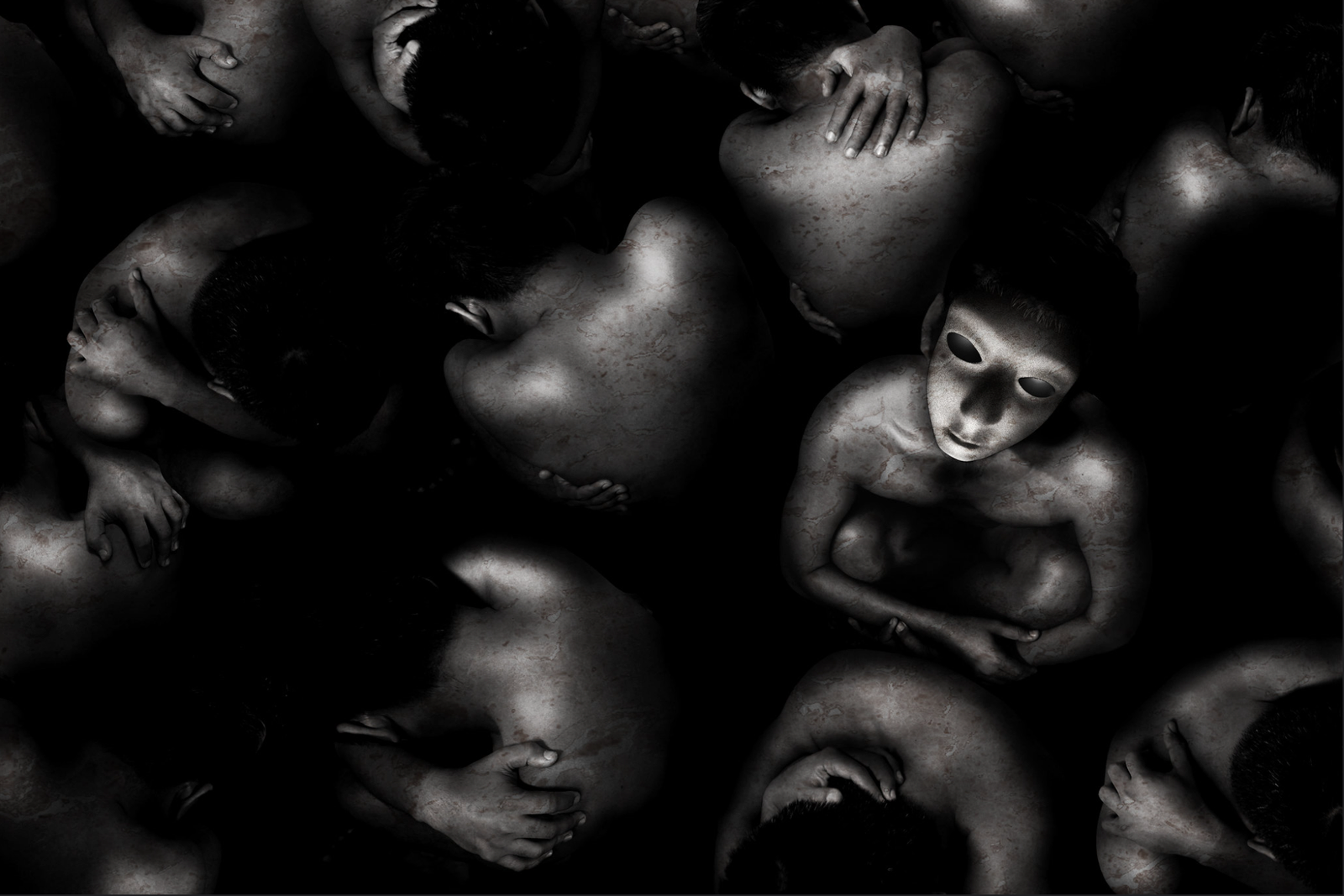
The rarest thing will be something that feels made by someone, not something.
After years of being promised an abundance of endless content, constant novelty and infinite scroll people are starting to crave the opposite. By 2026, the defining consumer shift will be a move from “more for less” to “less, but real.”
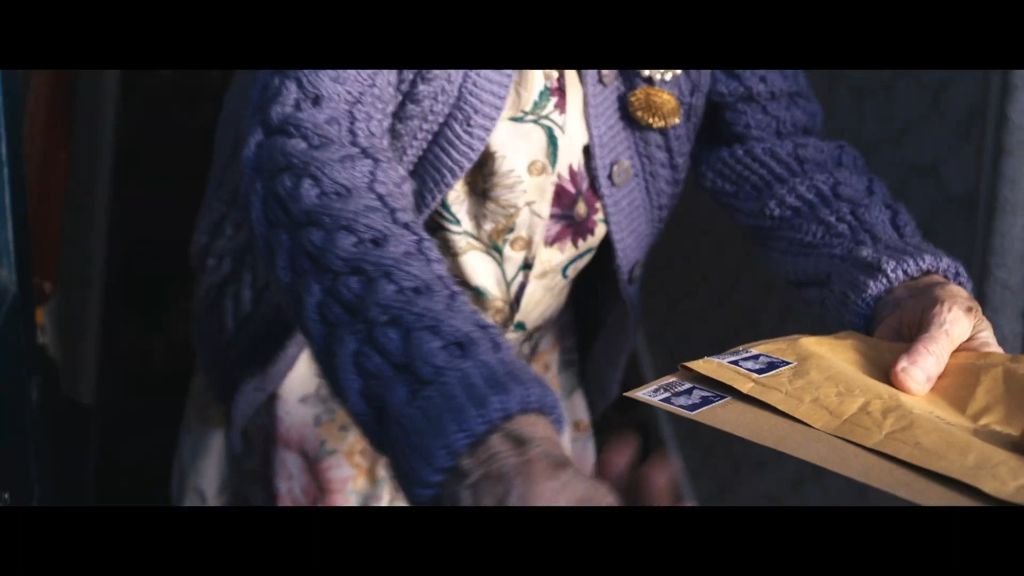
We’ve reached a saturation point. AI will flood every space with near-perfect simulations of creativity, but the more we’re surrounded by the synthetic, the more we’ll look for signs of life. Shoppers will start noticing small gestures again. The personal greeting, the handwritten note, the brand that doesn’t automate the small joys out of everything.
Authenticity won’t be a marketing word anymore; it will be a marker of value. Businesses that understand this will design experiences that feel grounded and human, not frictionless and empty. The future of luxury will be about meaningful attention.
AI’s real disruption will come from the middle. Routine and repetition will disappear into automation, while the extraordinary and the deeply human will rise in value. The vast middle ground, competent, consistent, “good enough” will start to fall away.
This will redefine what work means. Many will discover that their job’s true value isn’t efficiency but empathy, the ability to interpret, feel, and connect. These are the qualities machines can’t simulate convincingly, and they’ll become the foundation of new forms of expertise.
In this hollowing, a new class of professionals will emerge: part artist, part craftsman, part translator. People who can make meaning where machines can only make output.
Every major technological wave creates its own counterculture, and 2026 will be no different. As AI becomes the default, a quiet movement will form around those who choose to go without it. “AI-Free” will begin as a curiosity: a few studios, cafes, or makers labelling their work that way but it will quickly become a badge of integrity.
Some will call this anti-progress, others will say it’s a reclamation of agency. A way to remind ourselves that creativity isn’t defined by speed or scale, but by attention. These spaces will be slower, smaller, more deliberate and they’ll feel more alive for it.
In a world where everything can be automated, choosing not to will become a radical act. The future will still be full of machines. But the moments that matter most will be the ones that clearly weren’t touched by any.
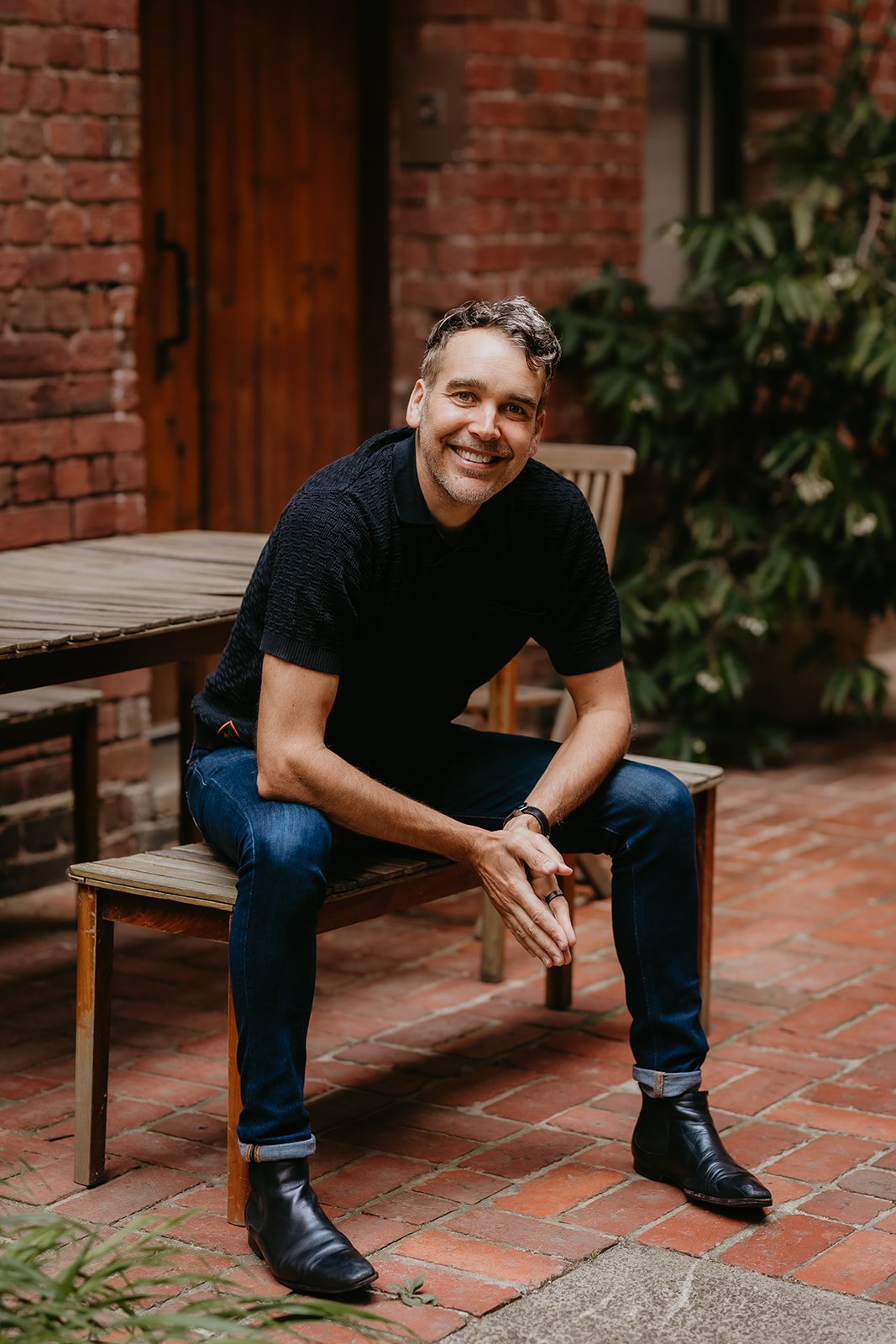
→ Over 20 years experience across APAC and the UK helping redefine some of the world’s most iconic and effective brands, and leading complex research and segmentation projects from Budget Direct, Big4, Crime Stoppers, RACV and CommBank.