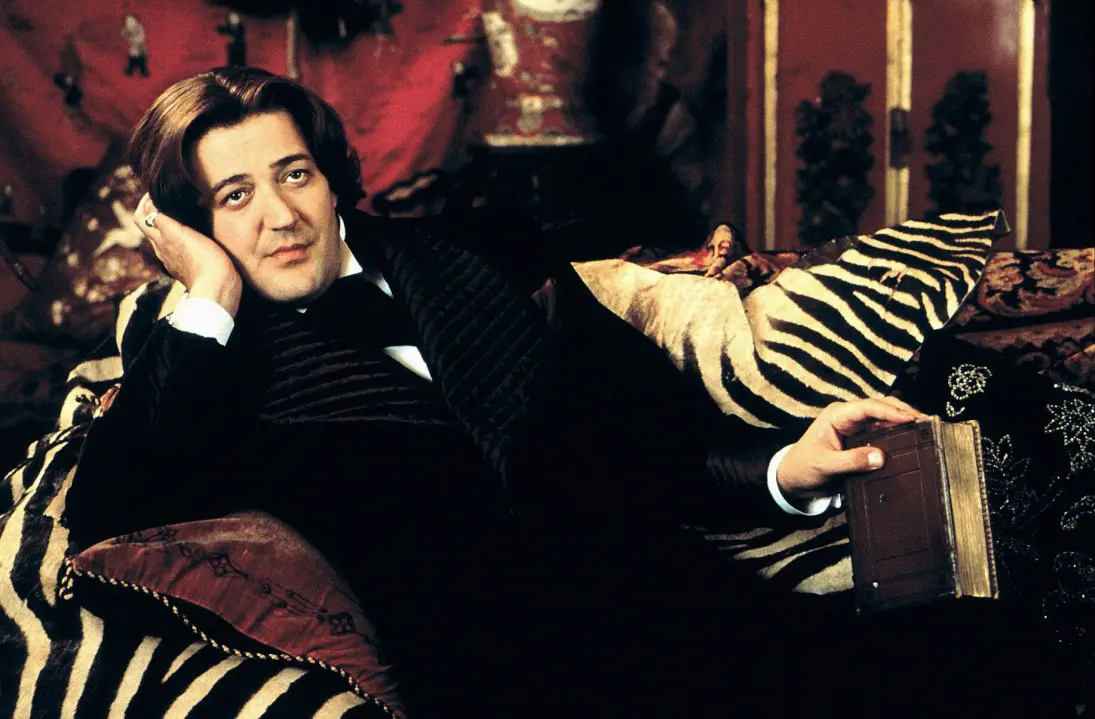
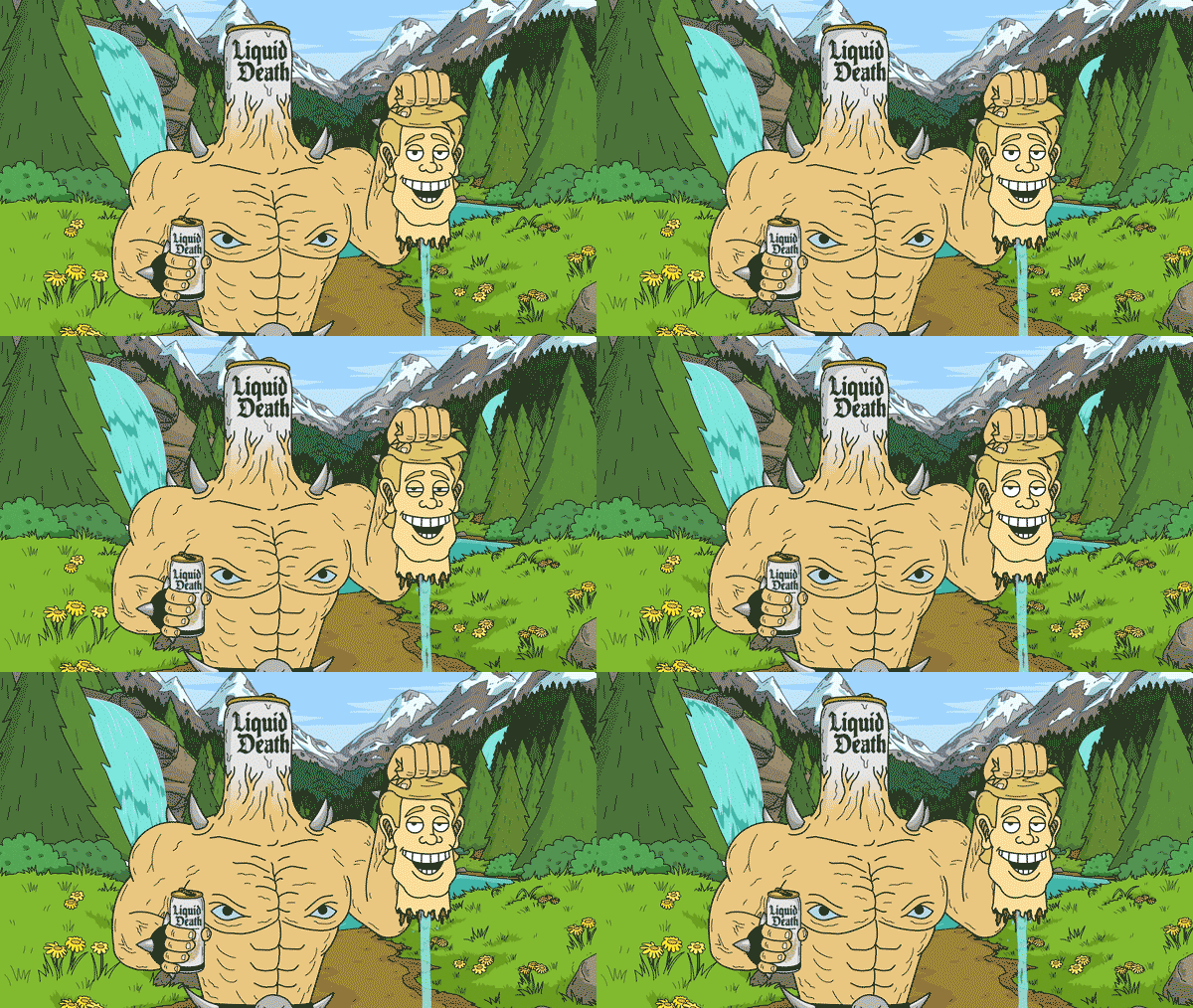
For better or for worse, we love a buzzword in our industry. One of the latest to hurtle out from culture and hit the trend reports is goblin mode, a term that’s existed around the interwebs since 2009, but has been recently reactivated.
Goblin mode – for those who’ve been hibernating in their own caves – is “unapologetically self-indulgent, lazy, slovenly or greedy behaviour that typically rejects social norms or expectations”. It’s also been elegantly and articulately described as a “logical progression into nihilism” and “a gloriously evocative story of how many of us are doing these days”. Confined to our homes, we refound goblin mode during COVID, but post-pandemic, our goblin selves live on. It’s telling that this was People’s Choice for Oxford Dictionary’s Word of the Year in 2022.

The Goblin Consumer.
For most of us, goblin mode is a temporary mood; much-needed time out from hustling, being productive and aspiring to be better. It also tends to be something we do in private – or in shame.
But any idea that encourages us marketers to see people as they really are, rather than an idealised or 2D persona version, is one worth a second look.
That’s because people are still consumers in private, and goblin mode can infiltrate and influence the consumer journey – from the way people consider brands while doom scrolling, to an increased propensity for impulse and convenience purchases, or even how potent aspiration gets to be as a purchase driver.
Suddenly, we’re in a position where brands will be battling to win the favour of goblins everywhere.
Four cues or brands
- Goblins don’t give a damn about adulting. That’s right, they’ll watch that movie on their phone to avoid getting up and turning the TV on.
Don’t be the remote control sitting a smug couple of metres away. In languid, late-night moments, whatever your brand’s selling might just be the thing that will let them indulge in their laziness, but you’re going to have to come to them. Put your brand within arm’s reach so laziness doesn’t become a barrier to sealing the deal. Think one-click reordering on the KFC app.
- They’re wearing the same shirt 24 hours and counting now, because no one’s watching…
…and your perfect aesthetic is irritating and exhausting. These are moments where your brand has licence to chill and show greater dimension. Maybe it’s communicating more informally – with emojis, gifs and memes. Maybe it’s unleashing your dormant sense of humour. Or maybe it’s talking goblin to goblin. You decide what’s appropriate. Think money management app Cleo’s chatbot, whose ‘roast mode’ not-so-gently shames customers via GIFs and burns about how much you’ve spent and how little you’ve saved.
- Self-betterment can go to hell. Like Lena Dunham, they’re stepping off the hamster wheel of infinite trying to just ‘be’.
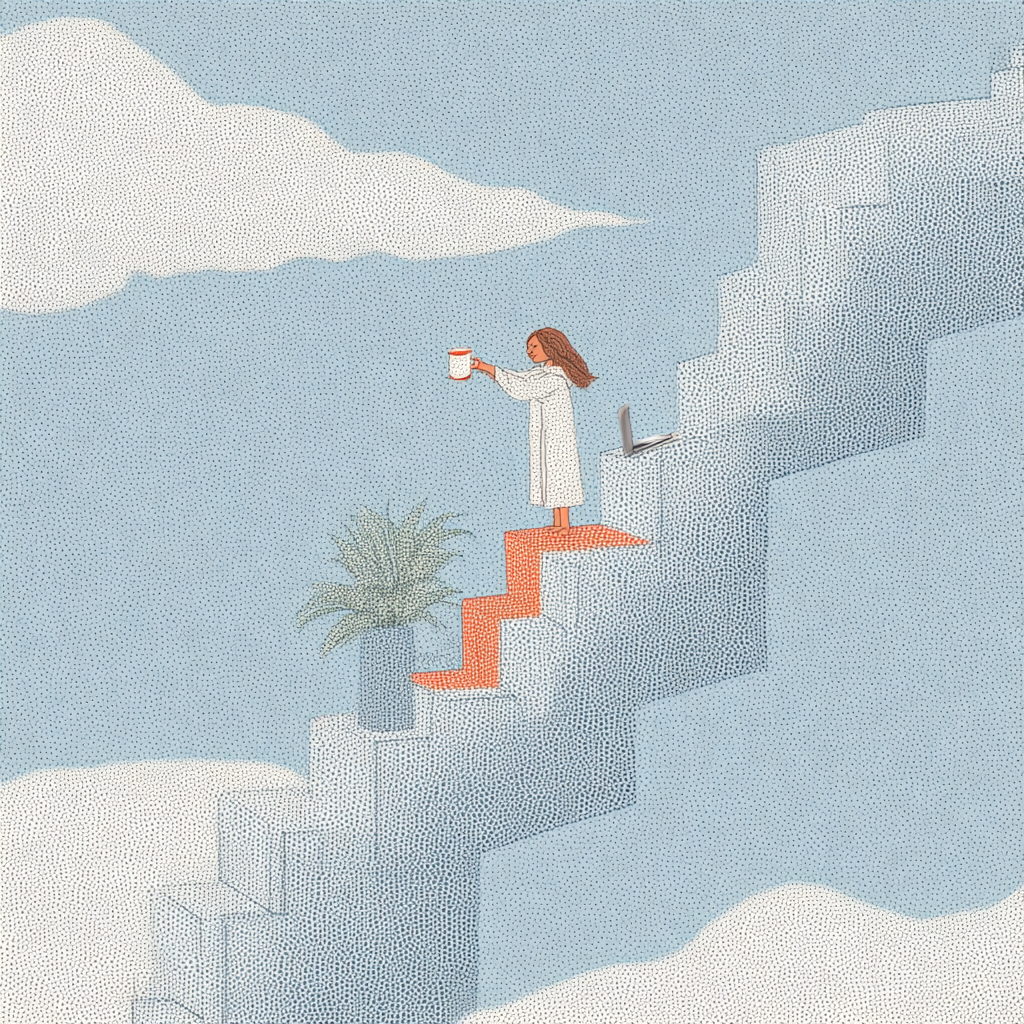
This is downtime. The pendulum’s swinging away from striving, and aspiration appeals fall on deaf ears. It’s time to dust off other higher-order values – like living in the moment, pressing pause on the hustle, savouring good quality downtime or knowing yourself better – and consider a new take on personal growth. Think Uber Eat’s appeal to embrace the art of doing less.
- But there’s a chance it’s all a cry for help.
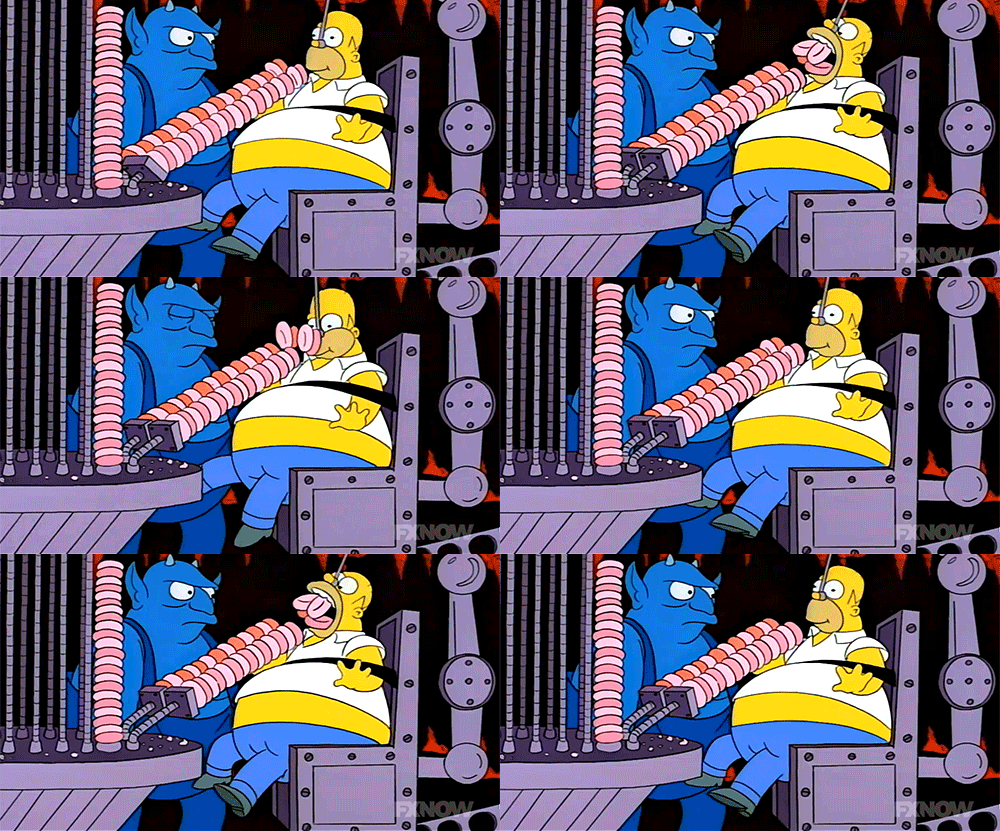
Like with everything, there’s healthy goblin mode and then there’s destructive goblin mode. When your potential customer is teetering on the brink of recklessness and no return, it may be tempting to profit from it and egg them on. As a brand that knows better, draw a line in the sand, be a good influence, and gently preach a message of moderation. Think YouTube’s Take a Break feature, which prompts users to step away from the cat videos after a certain amount of time.
Goblin mode may just be self-care rebranded for the post-COVID, permacrisis era. But buzzy as the term may be, the values it stands for – embracing imperfection, rejecting peer pressure, substance over style, rest – aren’t. Goblin mode feels like it’s here to stay, but will marketers choose to see their customers in a new light? Or adapt their brand’s positioning or experience to meet new need states? Embracing the depravity may be scary, but as a wise old meme once put it, “if you can’t handle me in goblin mode, you don’t deserve me at my slay”.
By Lauren Stoeckel