Get In Touch
hello@untangld.co
Get In Touch
hello@untangld.co
Follow
|
LinkedIn


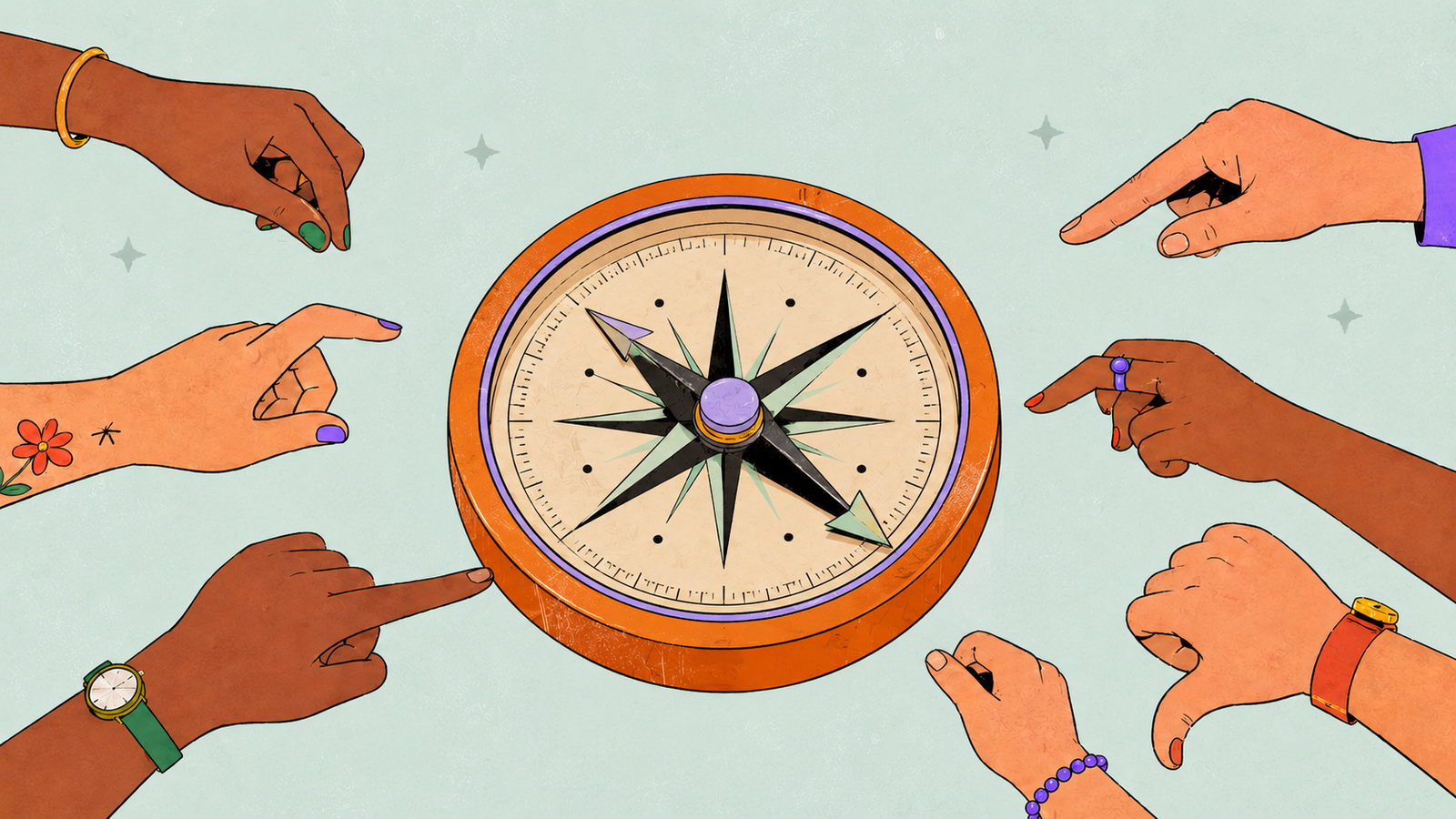
We live in a world of poles.
Black and white. Yes and no. Us and them. Few shades of grey are left unclaimed by someone’s certainty. Modern culture has generated a whole vocabulary for the hardening of thought. We doomscroll, double down, rage bait, hot take and pile on, emboldened by the latest brain rot reverberating from our echo chambers. Take a deep breath.
Still here? Blink twice if the algorithm let you stay…
We spend roughly 28% of our waking lives on screens.
Every morning, we wake and reach for our black mirrors. Smooth glass, lit from beneath, waiting like a small oracle. We feed them faithfully with our glances, our hesitations, our little surges of outrage, our private envies, our half formed hopes. Our devices learn the rhythm of our nerves. The algorithms listen without blinking, returning the world to us, polished into our special shape, barbed at the edges, easy to enter but much harder to leave.
In humanity’s 300,000 years on the planet, three curious truths now dangerously mingle.
We have never had access to more information.
We have never been less sure of the truth.
We have never been more certain of our own.
Slowly, the pathway becomes a den of our own making. We descend, post by post, clip by clip, into rooms furnished with our own reflections. The ceiling lowers and the air thickens as familiar walls reflect back until repetition feels like a comforting truth. Subtly, we grow tense and brittle and find ourselves arguing with family, friends or strangers at parties, only to retreat back to our screens for reassurance that we are not mad. They are.
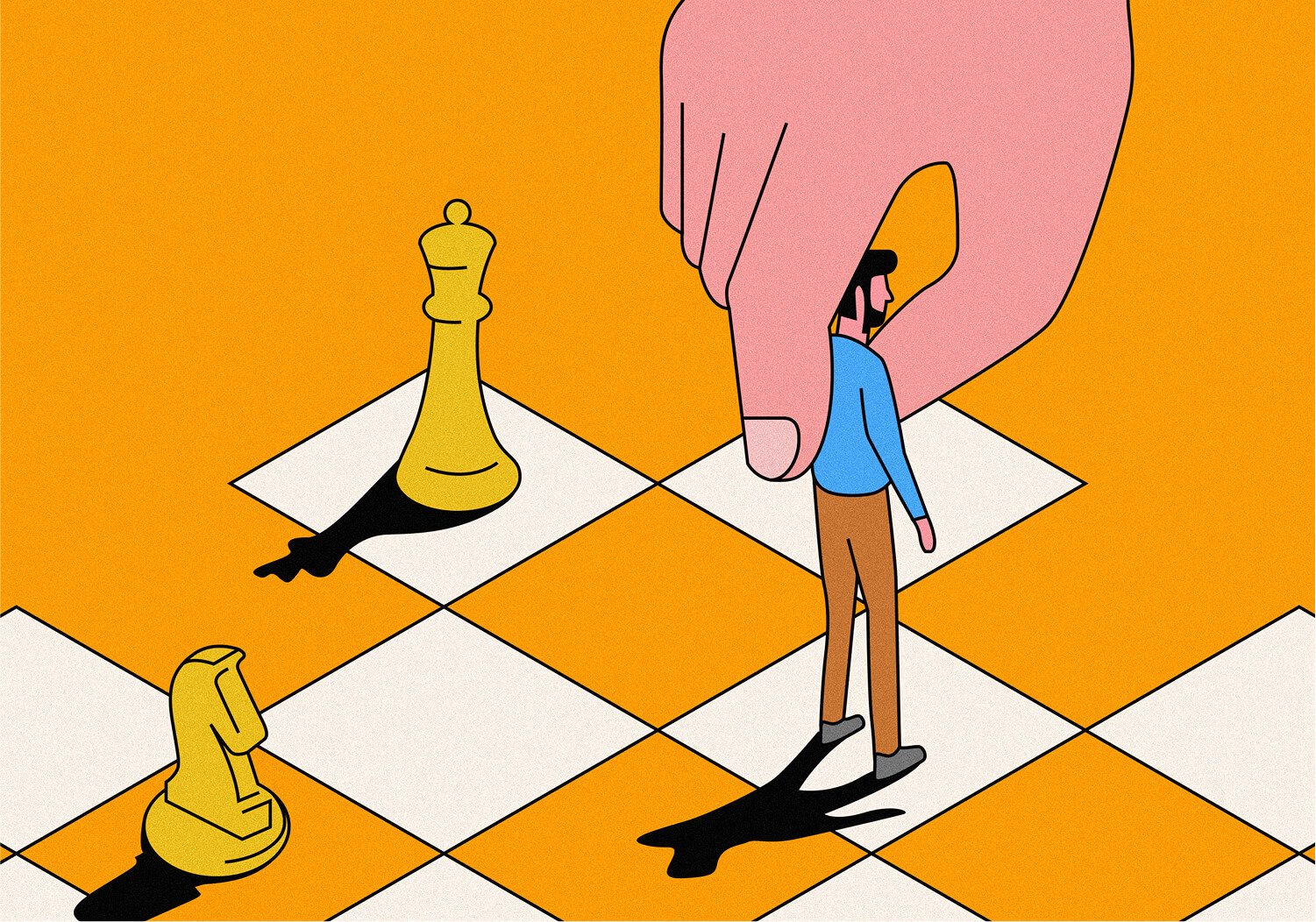
Most beliefs are soft until challenged. When you tell someone they are wrong, the belief hardens. This is one of the quiet mechanics of our age. The more we strike at one another’s convictions, the more armour we manufacture. The more certain we sound, the less curious we become.
Hugh Mackay once asked, Why don’t people listen? Perhaps because most of us are not receiving arguments as clean information. We are receiving them through our unique biography, fear, loyalty, identity and the private architecture of our own cage. Over 30 years on the message is more relevant than ever.
Every human has arrived somewhere by a road we have not walked. Perhaps it is the discipline to pause before correction, to ask before labelling, to listen before judging. Perhaps it begins with a sentence almost too simple for our dramatic age: “Interesting, seems like you have a reason for saying that.”

There’s magic in that phrase. It opens a window where a wall was forming. It invites explanation and side steps defence. Sometimes, in the act of explaining, people hear the gaps in their own reasoning before anyone else has to point them out. Sometimes, while listening, we discover a gap in ours.
This is not surrendering your values or vagueness dressed as virtue. It is a more demanding type of literacy – the ability to read more than one truth at once without rushing to flatten the page.
The courage to be curious in a world desperate to be unequivocally right is rare.
Maybe a brighter future belongs less to those who can dominate a room with certainty, and more to those who can hold tension with curious humility. To make friends with ambiguity and hold two opposing thoughts comfortably in heart, thought and speech.
Perhaps this is the new superpower.
To be ambi, not omni.
Then again maybe I’m wrong, let’s discuss…
James Needham, Co-Founder, Untangld
Keep at least one person in your orbit whose views challenge you, but whose mind you respect.
Headlines are built for reaction. Check the source, then read deeper and wider.
If your feed keeps confirming you, deliberately add a different publication, podcast, writer or perspective.
When someone says something you disagree with, try: “What led you to that view?” or “What do you think I might be missing?”
Take the debate offline, outside or into a real conversation. Screens sharpen edges that presence can soften.
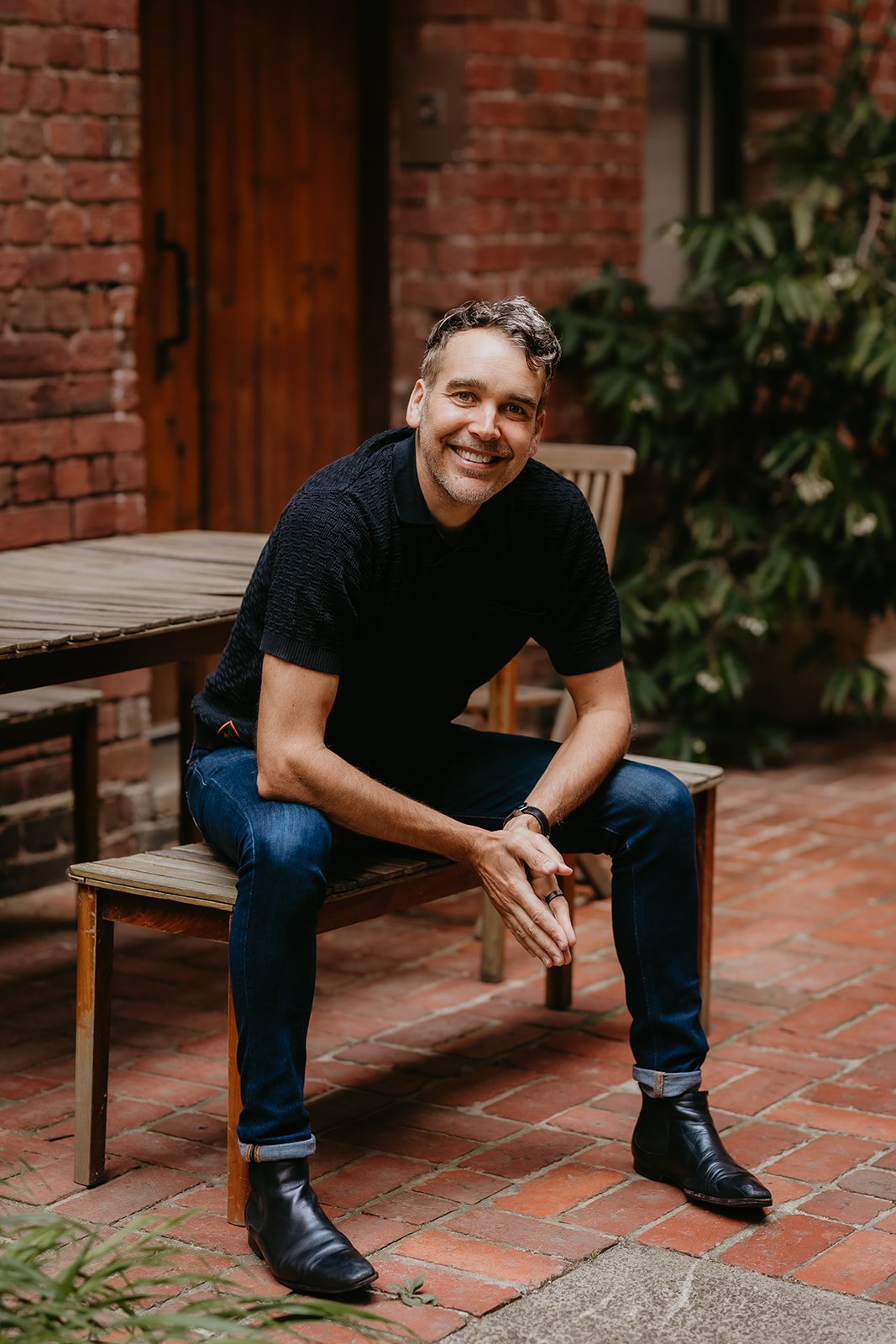
→ Over 20 years experience across APAC and the UK helping redefine some of the world’s most iconic and effective brands, and leading complex research and segmentation projects from Budget Direct, Big4, Crime Stoppers, RACV and CommBank.