Get In Touch
hello@untangld.co
Get In Touch
hello@untangld.co
Follow
|
LinkedIn

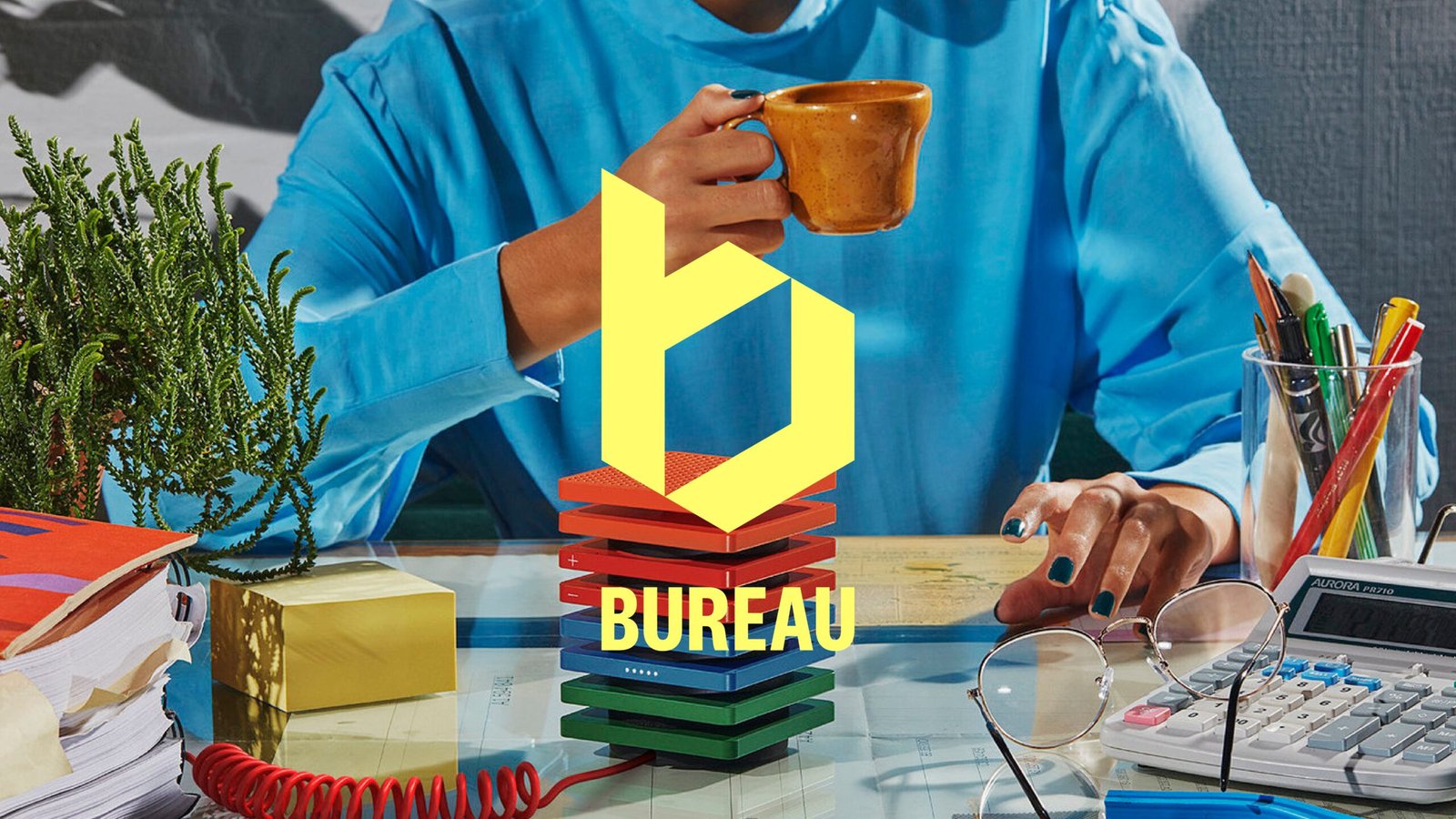
Before there was Bureau, there were two companies on opposite sides of the world asking the same question:
How are people supposed to do meaningful work in environments designed for constant interruption?
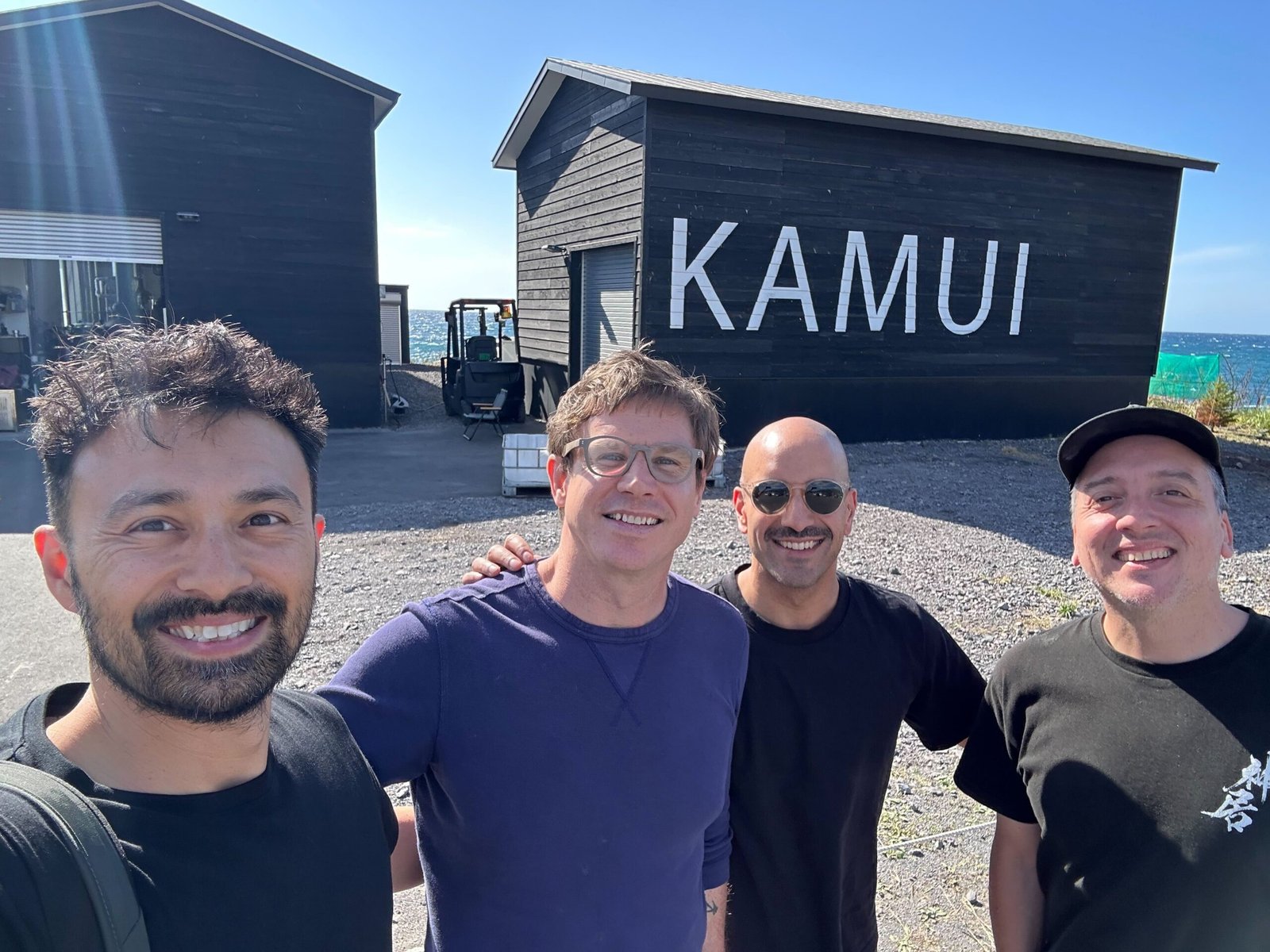
In Australia, Tyson and Adam launched Bureau Booths in 2019, creating acoustic spaces built for focus and flexibility. In Canada, longtime collaborators Reuben and Scot founded Inbox Booths to solve the noise, distraction and dysfunction of open-plan offices.
Different markets. Same frustration.
Both companies recognised something the office furniture industry was missing: work had fundamentally changed, but workplaces hadn’t caught up.
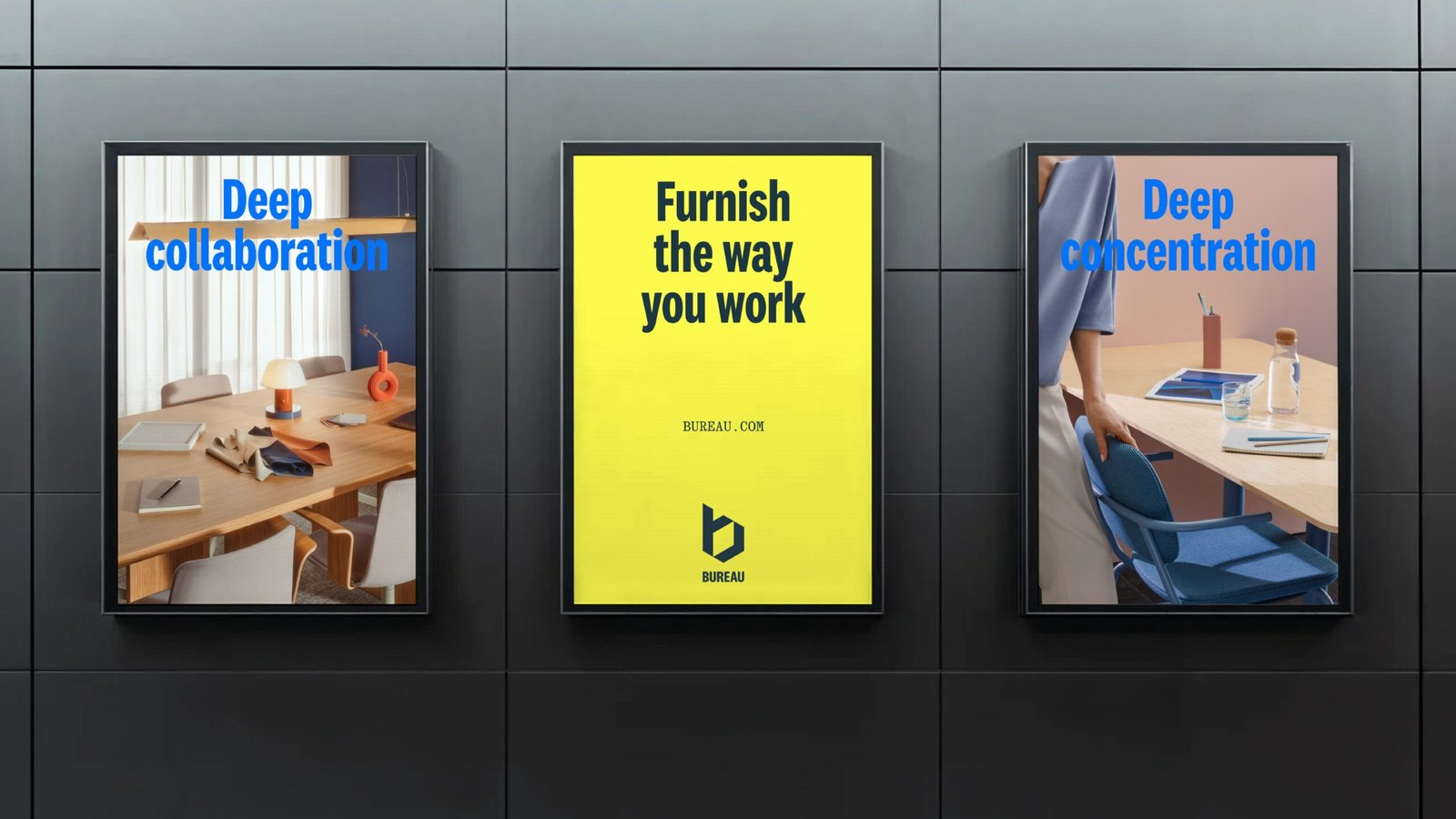
Then they merged to become Bureau – a modern workspace company designed for the new realities of work.
Bureau entered one of the most crowded and commodified categories in business.
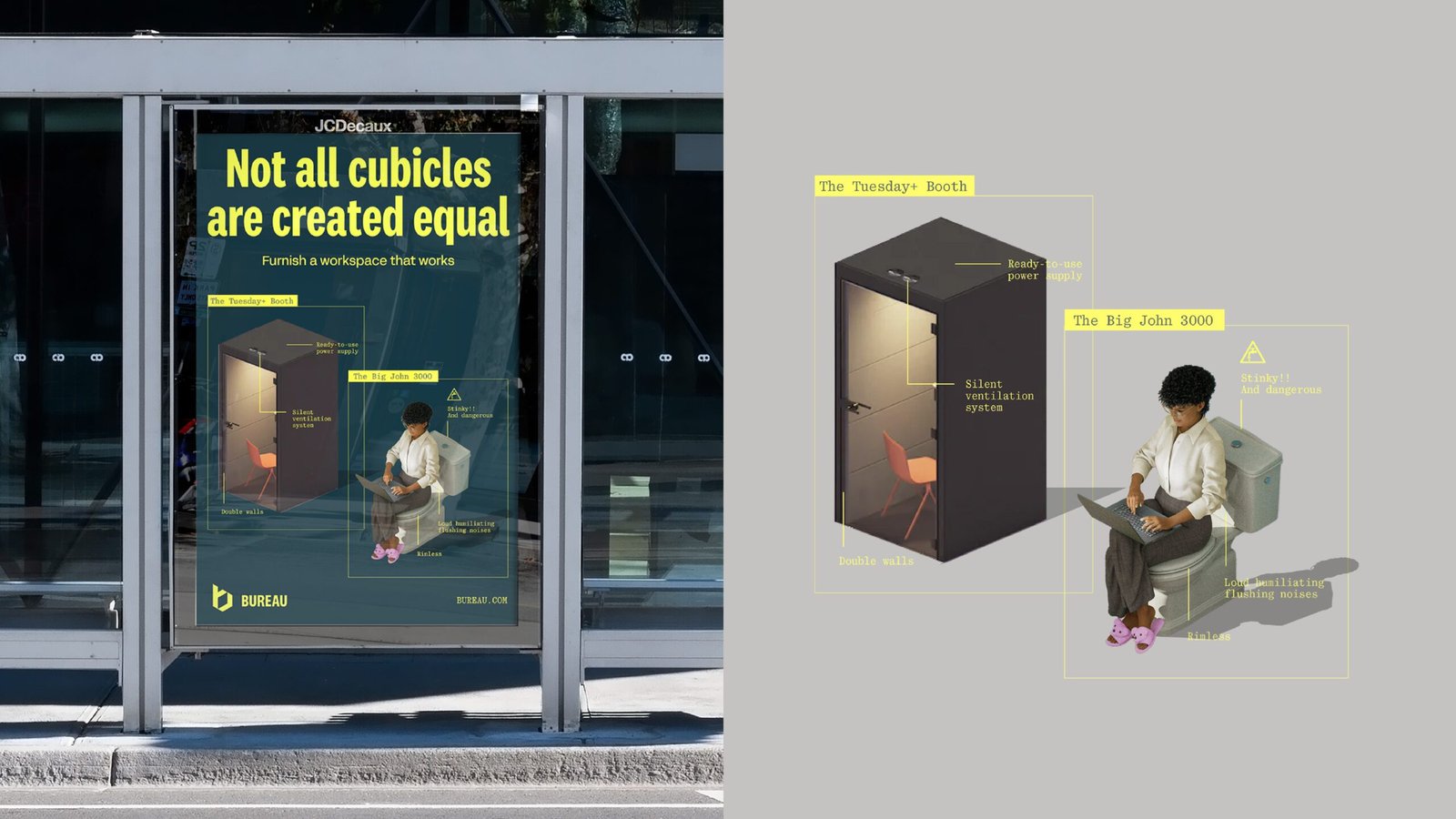
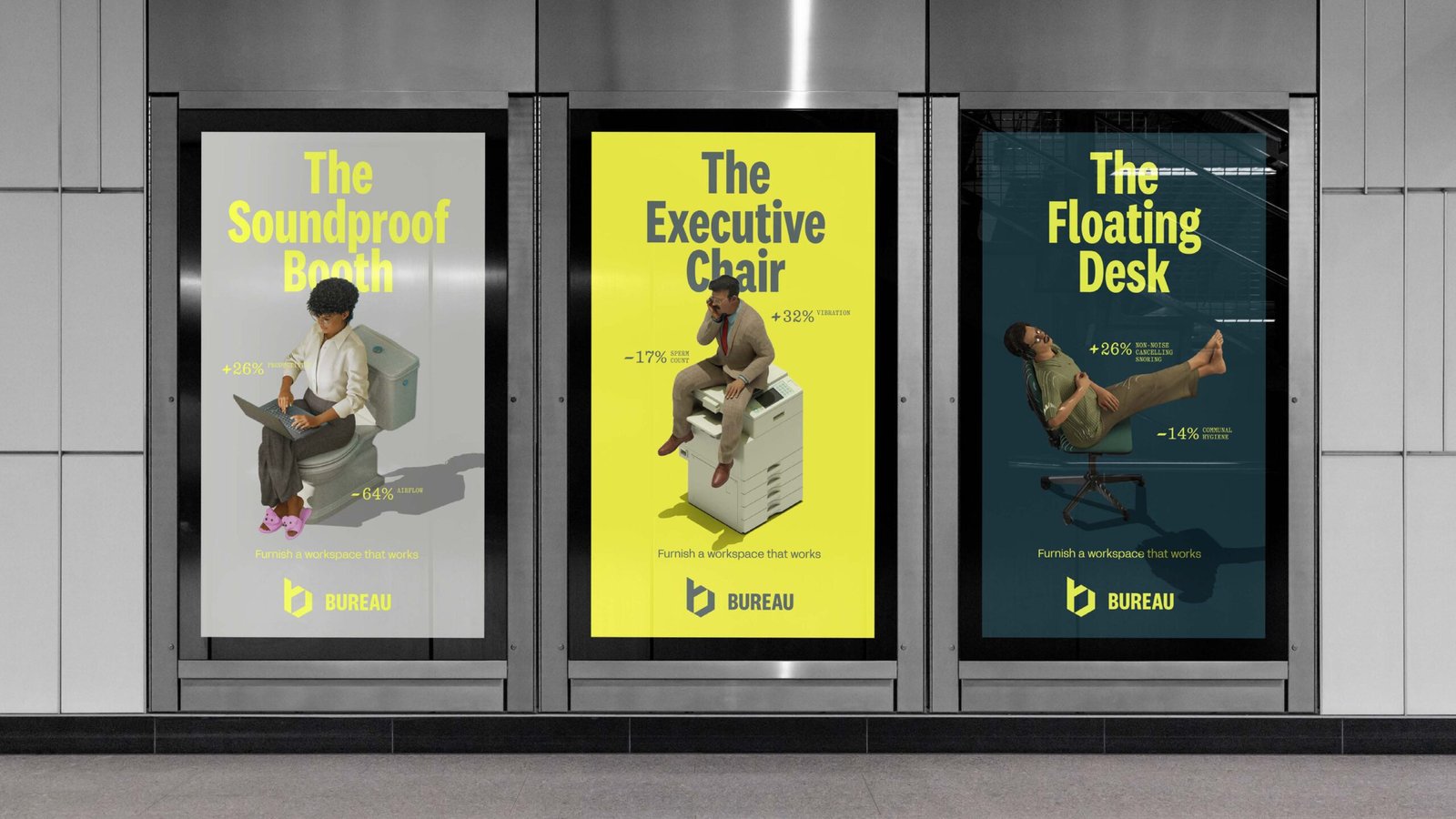
Every competitor claimed to be “modular,” “flexible” or “hybrid-ready.” The market had become saturated with furniture-led thinking: desks, booths, layouts and specifications competing in a sea of sameness.
At the same time, the role of the office itself was being redefined.
Hybrid work changed expectations permanently. Employees no longer came into the office simply because they were told to. The office now had to earn the commute — offering something people couldn’t get at home: collaboration, focus, connection, culture and energy.
But while businesses were evolving rapidly, most workplaces remained static.
That created a deeper strategic challenge for Bureau:
How do you position a new global brand not just as a furniture company, but as a solution to the future of work itself?
Untangld identified a powerful shift happening beneath the category.
The future workplace wasn’t about furniture.It was about adaptability.
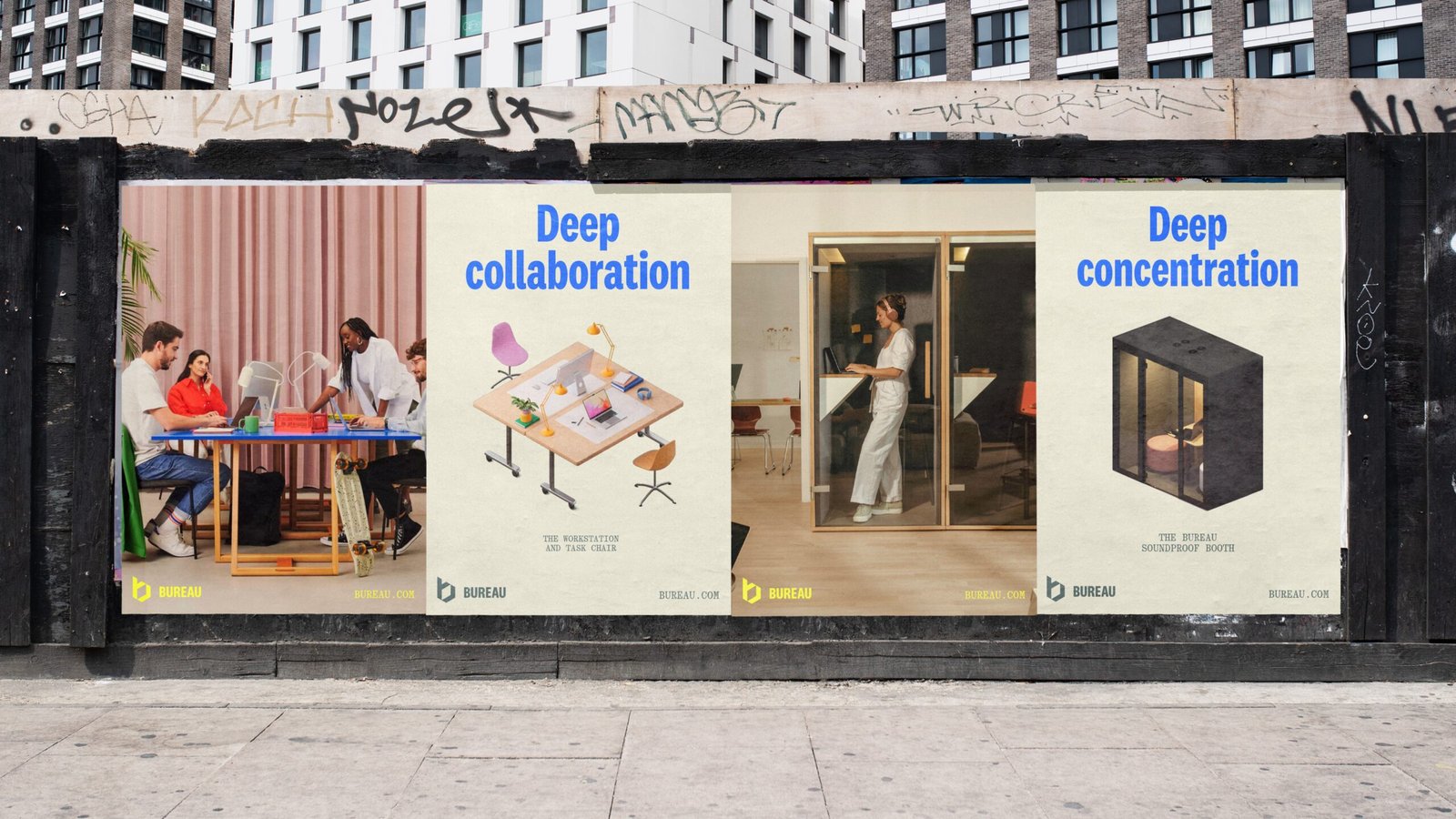
Modern work moves in rhythms — deep focus, collaboration, hybrid meetings, quiet retreat and spontaneous interaction. Yet most offices are still designed around fixed assumptions about how people should work.
There was an opportunity to reposition Bureau beyond products and into a bigger cultural conversation.
That became the strategic platform:
A new way to describe workplaces that flex with the rhythm of a business.
Not static offices.
Not rigid floorplans.
But adaptive environments designed to evolve alongside teams, culture and work itself.
The idea transformed Bureau’s offering from standalone booths into intelligent spatial systems — helping organisations create workplaces that can stretch, shift and respond in real time.
Elastic Spaces gave Bureau a language competitors didn’t own.
It reframed the category from furniture to business performance.
The repositioning gave Bureau a globally scalable narrative with relevance across different markets, buyer mindsets and workplace maturity levels.
For traditional customers, Elastic Spaces made the value of adaptable workspaces practical and commercially clear.
For more progressive organisations, it connected Bureau to larger conversations around culture, talent, wellbeing and the future role of the office.
Most importantly, it moved Bureau beyond the limitations of product marketing.
Instead of competing on aesthetics or specifications, the brand became associated with something bigger: helping businesses adapt faster in a world where change is constant.
The new positioning sharpened sales conversations, strengthened marketing and helped build confidence with multinational clients looking for future-ready workplace solutions.
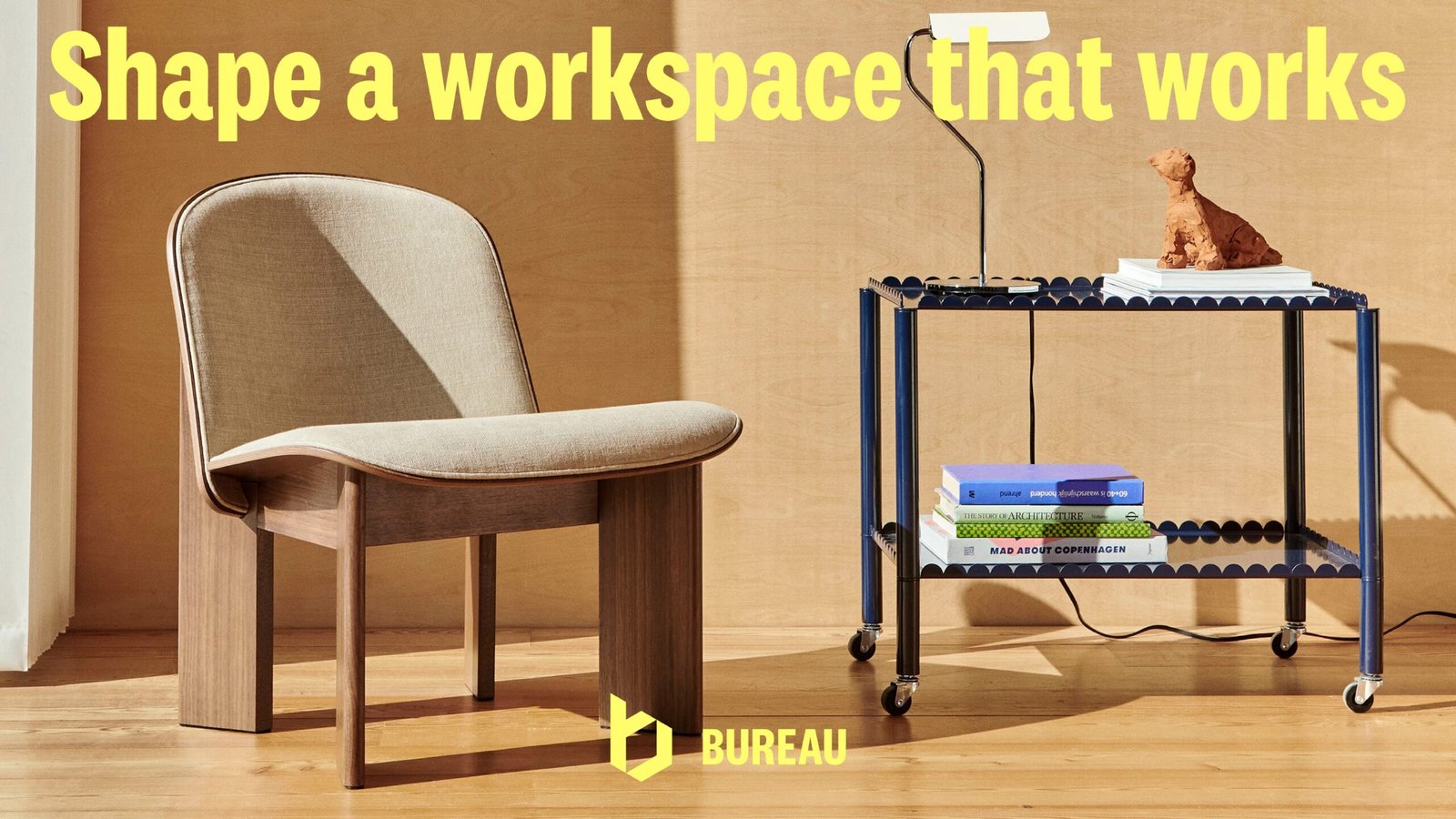
It has since contributed to Bureau securing new multinational contracts and helped power the momentum behind its category-leading partnership with WeWork — bringing flexible working to more spaces worldwide.
Because in the future of work, the companies that thrive won’t just have better offices.
They’ll have workplaces elastic enough to evolve with the people inside them.
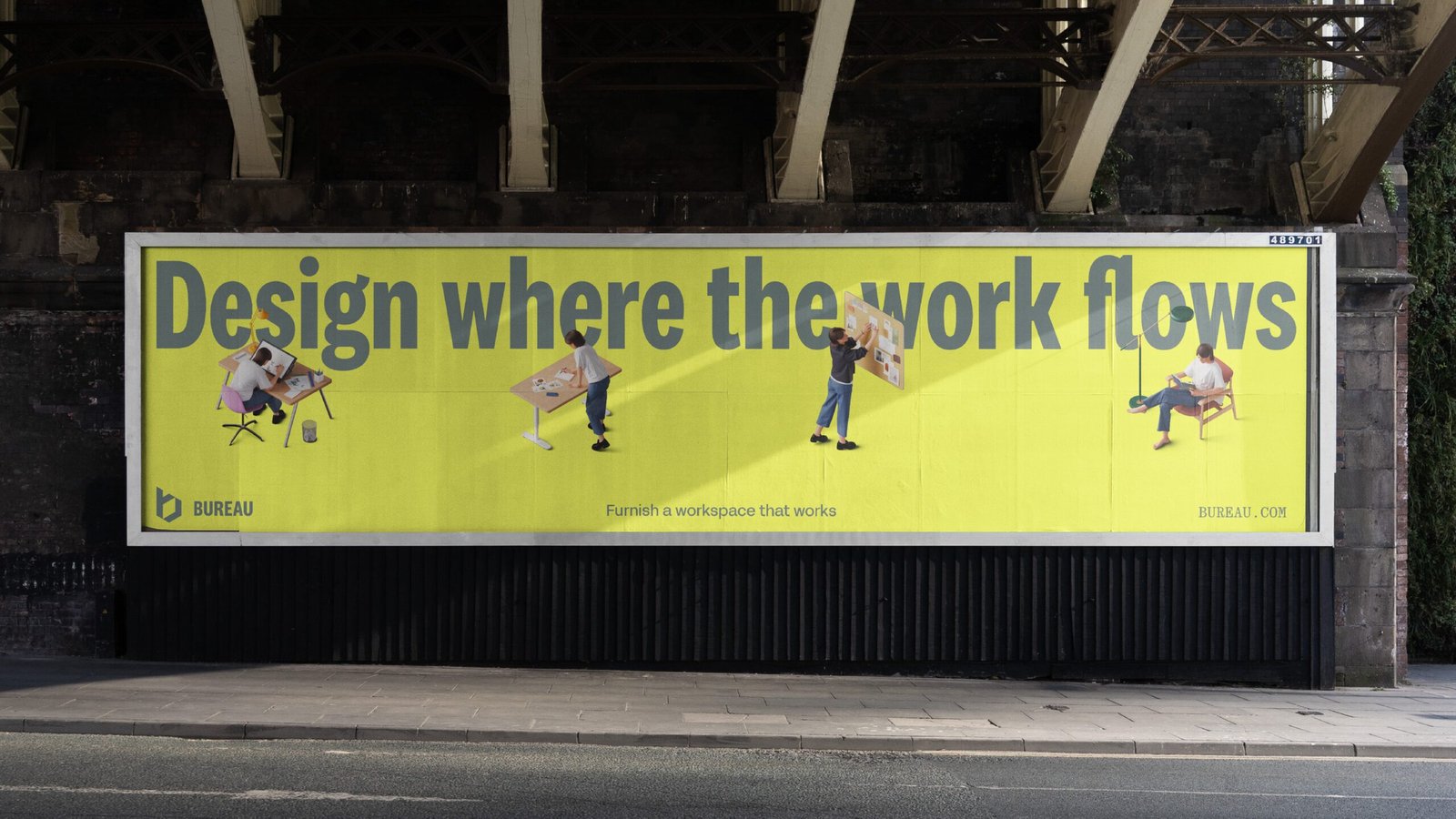
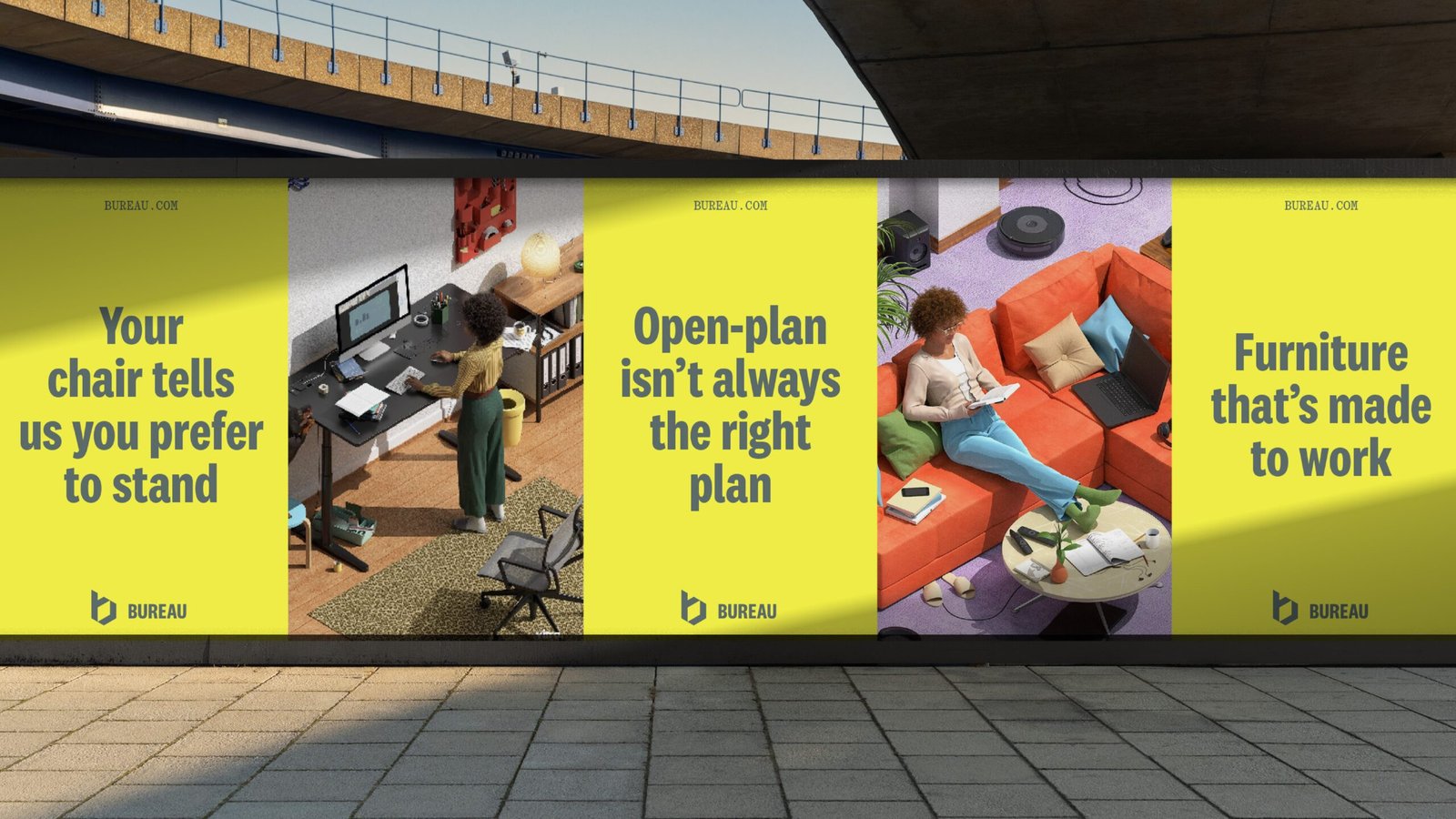
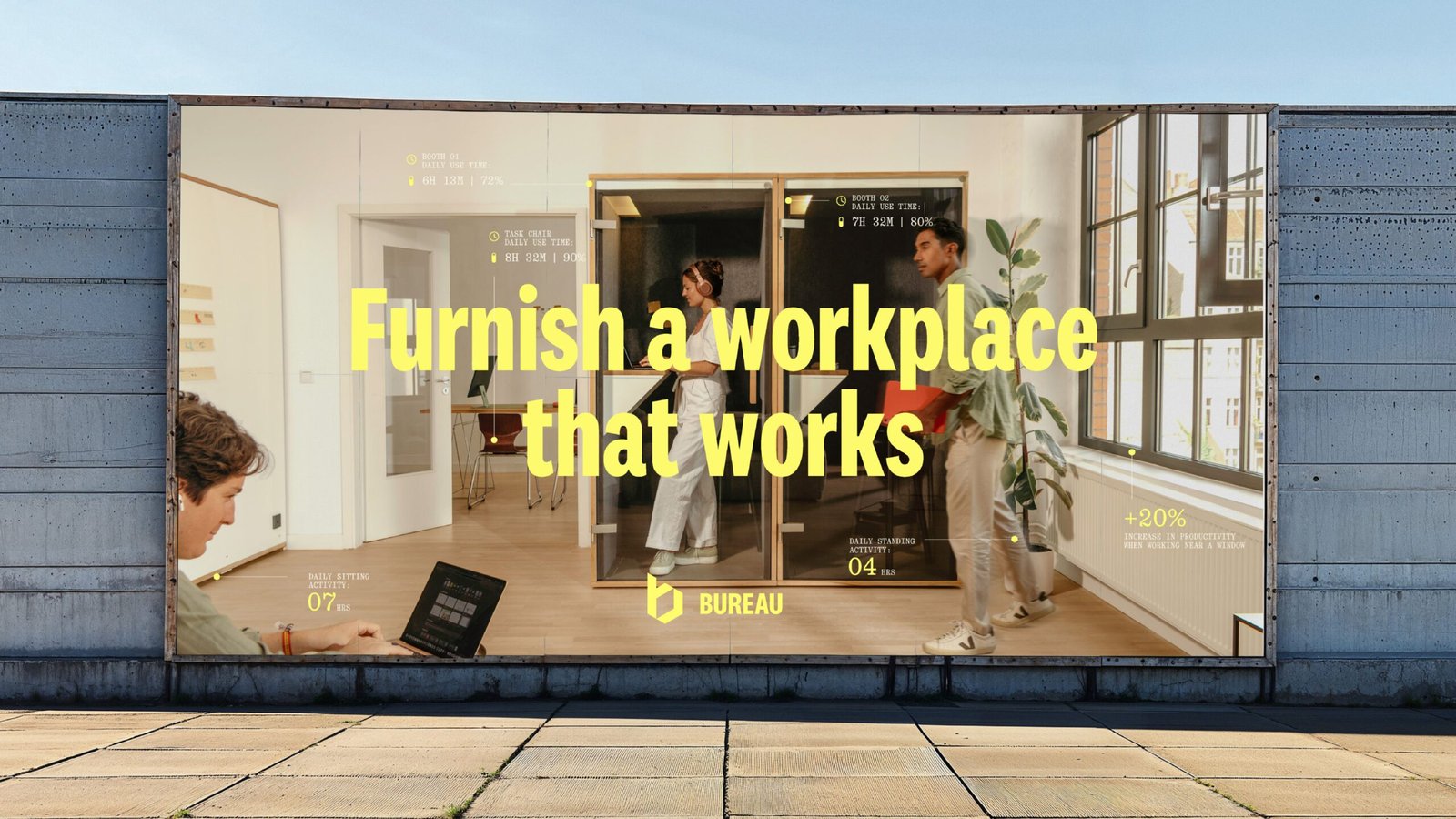
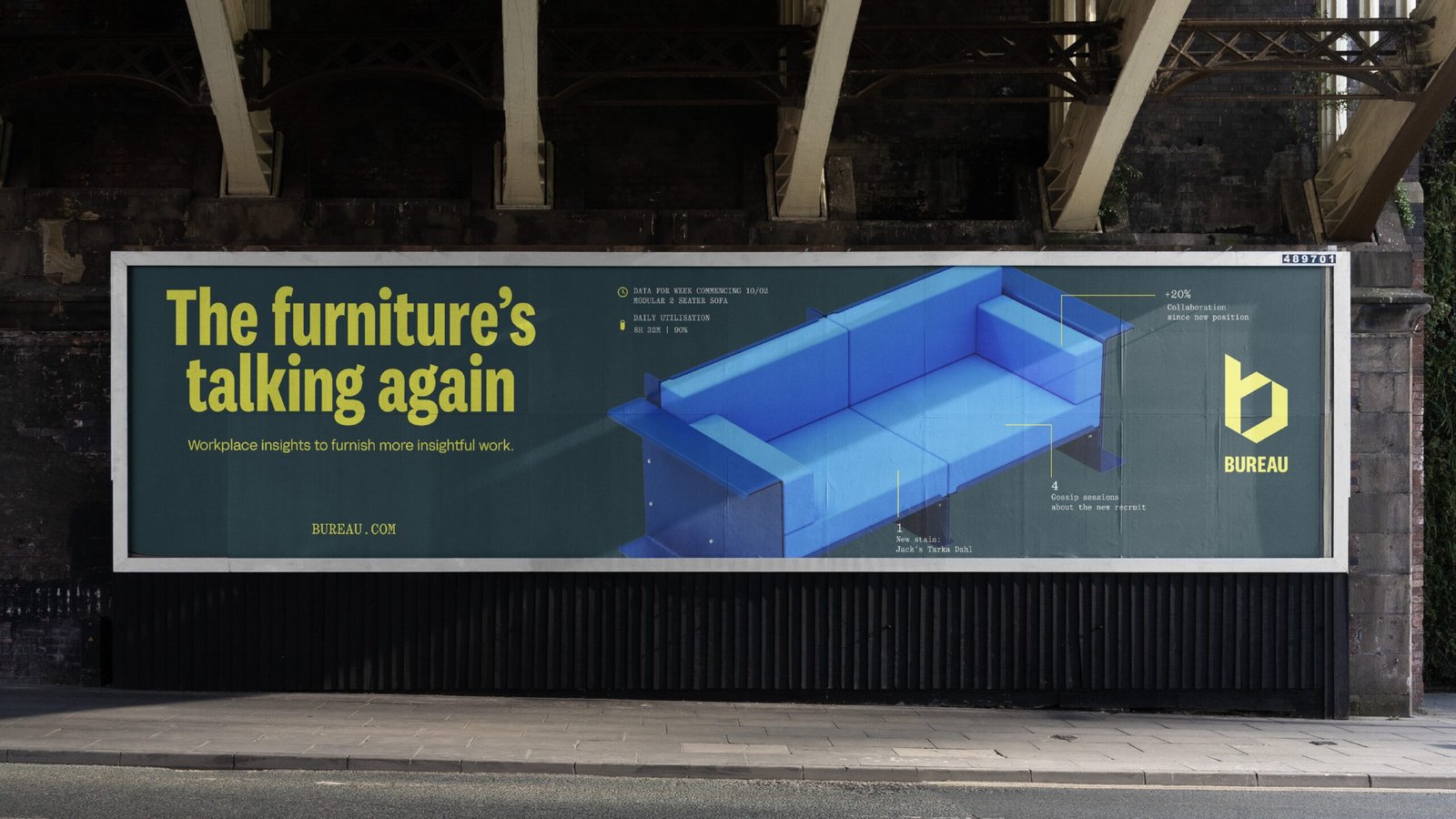

→ Danish is one of the most awarded strategists in the world, having worked on some of the most iconic brands in the last decade including Virgin Atlantic, Coca Cola, and Volvo. Danish spent his career helping to make modern, connected strategy integral to world-class effective work. A co-founder of Untangld, and a founding partner of By The Network, Danish is also a regular judge at the Effies and WARC Global Effectiveness Awards and a contributor to popular industry rags.